Personal color Season
Autumn Personal Color Analysis
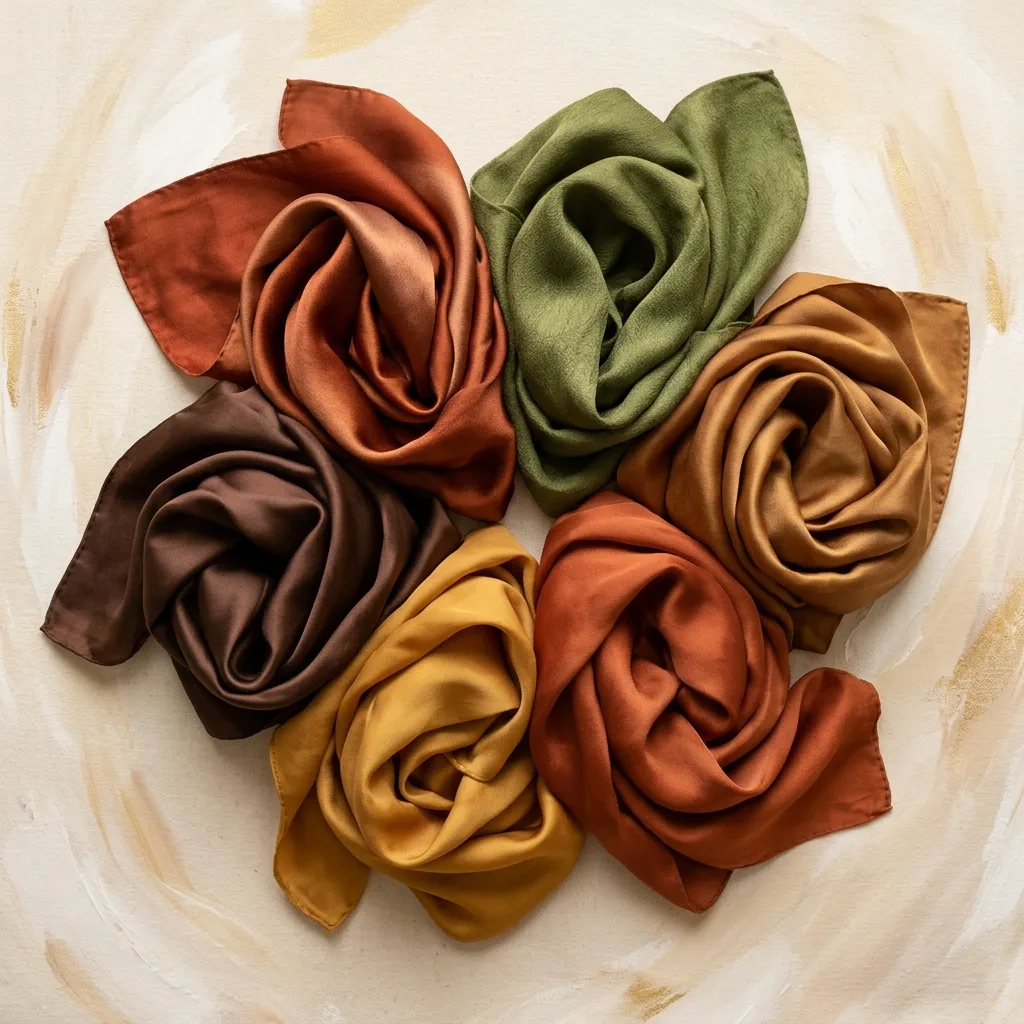
What the Autumn season is
Autumn is the warm, deep and earthy season. It shares the warm undertone with Spring, but the palette is richer, more intense and earthy, recalling the leaves, wood and spices of late in the year.
An Autumn person shines with full-bodied, natural colors. Warm, deep tones bring depth to the gaze and harmonize with the richness of the golden or bronze skin undertone.
Autumns rarely look their best in colors that seem fresh out of a new box of crayons. What lights up an Autumn face is color with a little history: orange that has turned to rust, green that recalls moss on stone, yellow that has deepened into mustard. It's a warm palette with dense pigment and a slight earthy veil, and it works with the golden or bronze tones of the skin instead of fighting them.
In practice, that means a wardrobe that comes alive with natural textures (suede, raw linen, chunky knits, leather, washed silk) and with tone-on-tone combinations. Autumn rarely needs dramatic contrast to look polished. It stands out through the richness of each color, not through colors clashing against each other.
The season splits into three sub-seasons, Soft, Warm and Dark Autumn, which share the warmth but differ in intensity and depth. Knowing which one you are changes a lot, from your everyday lipstick to the exact shade of brown or blonde worth asking for at the salon.
How to know if Autumn is your season
- Gold jewelry brightens your face, while shiny silver makes your skin look gray or tired.
- Camel, caramel and olive green look natural near your face, not heavy.
- Optic white and baby pink wash you out; cream and off-white work better.
- Your eyes are warm brown, amber, hazel or olive green, often with golden flecks.
- Your natural hair shows golden, copper or reddish glints in the sun.
- Neon and icy colors seem to walk into the room before you do.
- Burnt orange and mustard, which scare most people, look surprisingly good on you.
Who it's for
Skin
Warm undertone, golden or bronze.
Eyes
Brown, olive green or amber.
Hair
From mid-brown to intense red or black with warm highlights.
Autumn color palette
How to wear Autumn colors
An Autumn wardrobe is built on warm neutrals: camel, caramel, chocolate brown, olive, khaki, cream and off-white. They easily replace black, charcoal and optic white, which tend to harden this season's features. A camel blazer, brown trousers and a cream shirt make a work trio that never fails and pairs with almost every color in the palette.
To add color, go for analogous combinations, meaning colors that sit next to each other on the color wheel: rust with mustard, terracotta with caramel, moss green with gold. For bolder contrast without leaving the palette, pair teal with burnt orange or olive with warm wine. Prints with a natural feel work best: paisley, honey-toned animal print, autumnal florals, and tartan in brown and green.
For the office, choose matte, structured fabrics in deep neutrals with a pop of color near the face, like a mustard scarf or a brick-red blouse. For evening, swap black for chocolate, bottle green or warm burgundy, and pick fabrics with a soft sheen (satin, velvet, gold lurex) instead of silver sequins. The result looks sophisticated, never costume-like.
Autumn makeup
Autumn makeup calls for warm pigments and a velvety finish. Foundation should have a yellow, golden or olive base; pink-based foundations leave a grayish mask on the skin. On the lips, the most reliable shades are terracotta, caramel nude, brick red, copper and reddish brown, with the intensity adjusted to your sub-season.
For the eyes, bronze, copper, chocolate brown, olive and antique gold shadows flatter brown, hazel and green eyes. A dark brown or moss green eyeliner usually looks more harmonious than black. For blush, bronzy peach, terracotta and burnt coral create a natural flush, like an afternoon spent in the sun. Skip mauve, bubblegum pink and lilac, which look artificial on this skin.
Best hair colors for Autumn
Autumn hair looks best when it reinforces the warmth of the skin: caramel, dark honey, warm chocolate, copper brown, auburn and deep copper red. Golden or copper highlights and balayage over a brown base add movement without cooling the face down. What works hardest against this season is platinum, ash blonde, smoky brown and blue-black: they all bring coolness right next to the face and leave the skin looking dull. Even Dark Autumns with naturally very dark hair get more light from coffee or cinnamon reflections than from flat jet black.
Autumn accessories and metals
Gold is Autumn's natural metal, ideally in a brushed, matte or antique finish, with bronze and copper close behind. Stones like amber, tiger's eye, garnet, citrine, jade and greenish turquoise echo the palette. For glasses, tortoiseshell, honey, brown and olive frames beat black or silver metal. Cognac, caramel or coffee leather bags and shoes are investments that work with the entire wardrobe.
Colors that flatter
Terracotta, rust, mustard, caramel, moss green, burnt orange, chocolate and brown. Copper and bronze shine in accessories.
Colors to avoid
Cool, washed-out pastels like baby pink, lilac, light gray and pure white, which make you look lifeless.
Why these colors don't flatter Autumn coloring
The colors that hurt Autumn most are the ones that are cool and light at the same time: baby pink, lilac, icy blue, light gray and optic white. They have a bluish base and little density, so next to golden skin they create a temperature clash that emphasizes under-eye shadows, grays out the complexion and makes the face look tired. If you want to wear them, keep them away from your face, in a skirt or a pair of shoes, and bring a warm neutral up top.
Autumn or Spring?
Autumn and Spring are the two warm seasons, which is why they get mixed up so often. The difference lies in intensity and depth: Spring wears warmth in a clear, luminous way (coral, peach, turquoise, lime green), while Autumn wears the same warmth in a dense, earthy way (terracotta, rust, teal, mustard). Think of a piece of fresh fruit next to the same fruit slow-cooked into jam: same temperature, very different weight.
A quick check is to compare color pairs near your face: coral against brick, turquoise against teal, butter yellow against mustard, light golden beige against camel. If the lighter, brighter versions make your skin glow, you lean Spring. If they look flat or childish and the deeper versions give your face definition, you're probably an Autumn. With metals, Spring prefers polished yellow gold, while Autumn does better in antique gold, bronze and copper.
Read the full Spring guideThe Autumn sub-seasons
Within Autumn there are more precise variations for those on the border with neighboring seasons. Get to know each one:
How to tell which Autumn sub-season you are
To find your sub-season, ask which trait dominates your look. If it's softness (features that blend together, hair and eyes close in tone to your skin, nothing that jumps out), you lean Soft Autumn. If it's warmth (red or copper glints, golden skin, freckles, honey-colored eyes), the answer is Warm Autumn. If it's depth (dark hair and eyes with clear contrast against the skin), it's usually Dark Autumn.
A three-fabric test helps confirm it. In natural daylight, hold up something khaki or sage, something pumpkin or rust, and something espresso brown or very dark forest green. The one that evens out your skin and makes your eyes look most alive points to your sub-season: the first suggests Soft, the second Warm and the third Dark. If two seem tied, the TikTests AI analysis weighs temperature, depth and contrast together to break the tie.
Autumn: frequently asked questions
What colors are in the Autumn color palette?
Autumn colors are warm, rich and earthy: terracotta, rust, mustard, caramel, camel, moss green, olive, teal, burnt orange, chocolate and warm burgundy. The neutrals are cream, off-white, golden beige, khaki and brown. The exact intensity depends on the sub-season: grayer and softer for Soft Autumn, more vibrant for Warm Autumn and deeper for Dark Autumn.
Can Autumns wear black?
Pure black isn't the ideal neutral for most Autumns, because it's cool and hardens the features. Dark Autumn is the partial exception and can handle shades very close to black, like espresso and a near-black green. Warm and Soft Autumns should swap it for chocolate, dark olive or a greenish navy. If black is required, wear a warm color near your face.
How do I know if I'm an Autumn or a Spring?
Both seasons are warm, so the clue is depth and brightness. If light, lively shades like coral and turquoise light you up, you lean Spring. If those shades look shallow and you gain definition from camel, rust and olive, you lean Autumn. Darker hair and eyes also tend to point to Autumn.
Can dark skin be an Autumn?
Yes. Autumn doesn't depend on how light or dark your skin is, but on undertone and depth. Brown and Black skin with a golden, bronze or warm olive undertone and dark brown eyes often falls into Autumn, especially Dark Autumn and Warm Autumn. On these complexions, copper, mustard, forest green and terracotta look especially luminous.
Can Autumns wear silver?
You can, but it isn't your most flattering metal. Shiny silver has a cool reflection that competes with the gold in your skin. If you love silver, choose antique or matte finishes, or mix it with gold pieces. Soft Autumns get along with antiqued silver and rose gold more easily than the other two sub-seasons.
Keep reading
June 18, 2026
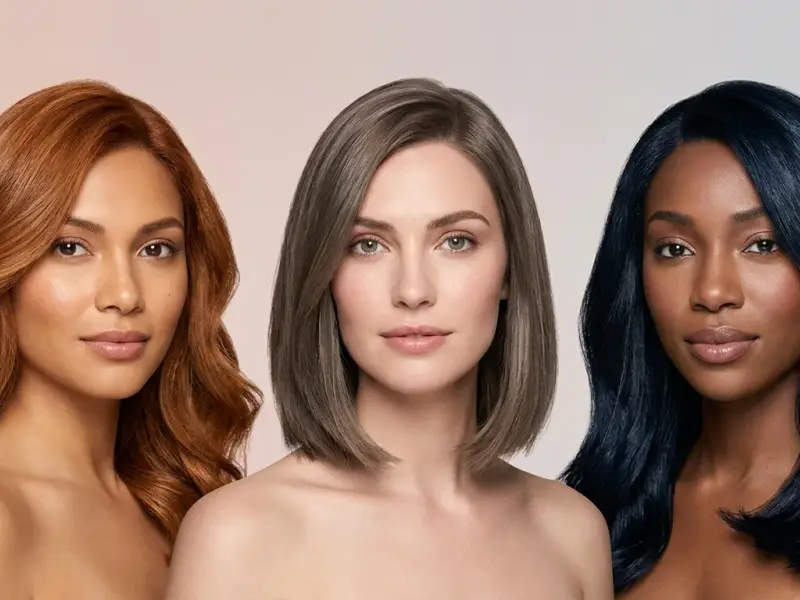
Best hair color: what really suits your personal color season
Find the best hair color for your personal color season. A season-by-season guide to blondes, browns, reds, highlights and balayage that flatter your undertone.
Read more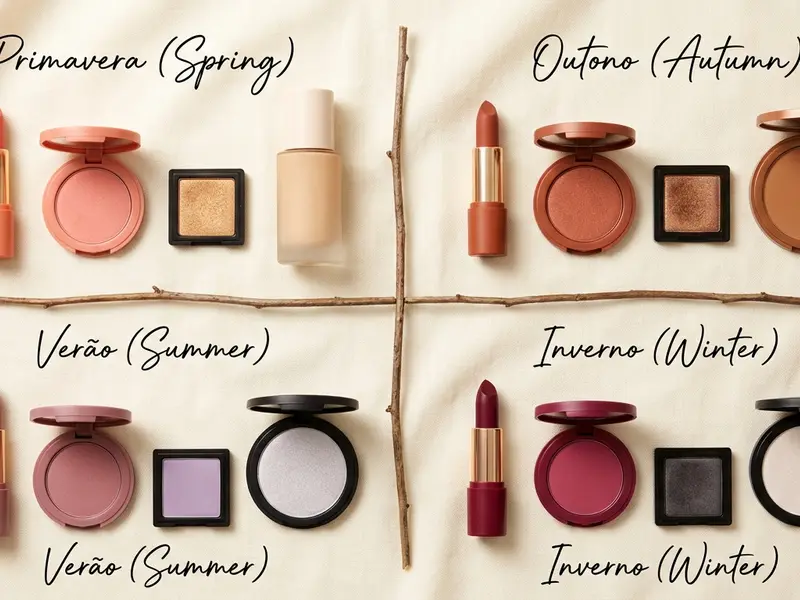
June 16, 2026
Makeup and personal color analysis: how to choose the shades that flatter you most
Learn how to use your color season to pick lipstick, eyeshadow, blush and foundation more accurately. A complete guide for Spring, Summer, Autumn and Winter.
Read more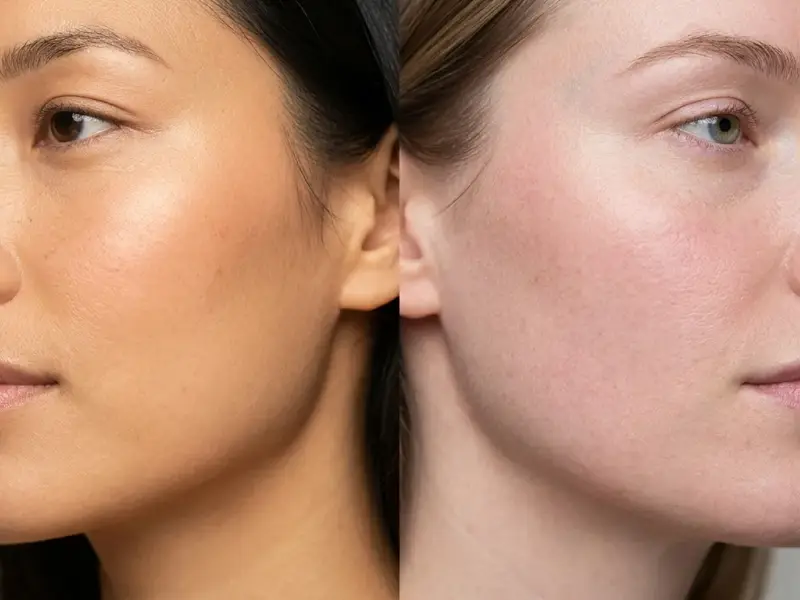
June 18, 2026
Skin undertone: warm, cool or neutral, and how to find yours
Learn how to find your skin undertone with simple at-home tests (wrist veins, gold vs. silver, white paper) and how it connects to your personal color season.
Read moreCould you be a Autumn?
Discover your personal color season in under 2 minutes with our AI analyzer. Free and no sign-up.