TikTests News
Makeup and personal color analysis: how to choose the shades that flatter you most
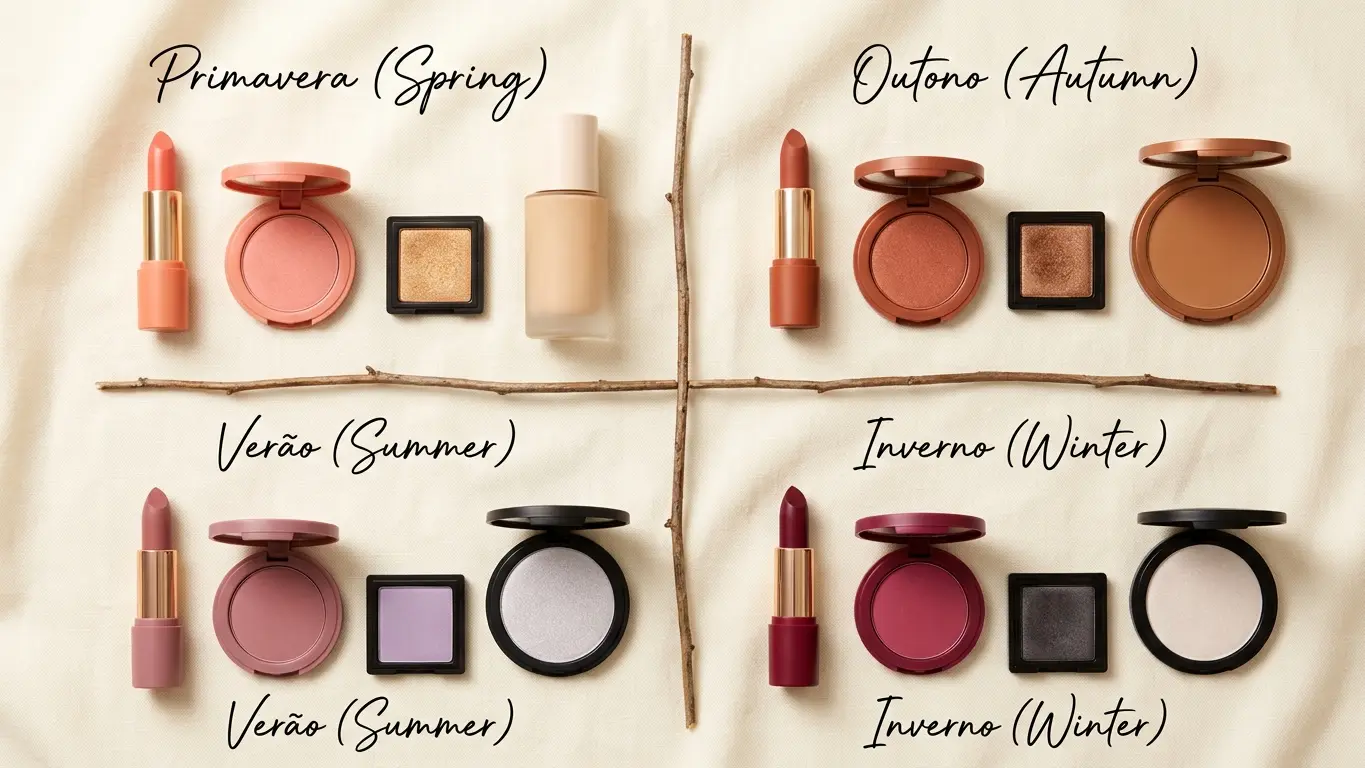
Ever bought a gorgeous lipstick in the store, got home and realized it made your skin look dull or even sallow? It's one of the most common makeup mistakes, and it almost always comes down to color temperature. When your makeup matches your personal color analysis, it doesn't just complement you: it amplifies your skin's natural glow, brightens your eyes and makes the whole look more harmonious. This guide shows you how to apply the concept to the products you use every day.
Why personal color analysis changes everything in makeup
Personal color analysis places each person in one of four seasons (Spring, Summer, Autumn or Winter) based on skin undertone, eye color and natural hair color. That classification tells you which color groups harmonize with your features and which create unwanted contrast.
In makeup, this translates directly: your skin's undertone decides whether warm shades (golds, earthy tones, peach) or cool shades (pinks, plums, grays) blend with your look or fight it. A Winter wearing a warm coral lipstick tends to look gray in the face. An Autumn in a cool pink lipstick can look washed out and unwell. The fix is simple, but it makes all the difference.
Makeup by season: what to choose
Spring: warm, light and vibrant
Spring has a golden or peachy undertone, medium-low contrast and skin that glows in fresh, luminous shades.
Lipstick: coral, peach, golden nude, salmon, orange-red
Blush: peach, soft coral, golden rose
Eyeshadow: gold, champagne, lime green, turquoise, light bronze
Foundation and concealer: yellow-golden undertone; avoid gray or pink bases
Highlighter: warm gold, champagne
What to avoid: very cool shades like plum, deep lilac, dark burgundy and gray, which dull the skin's natural glow.
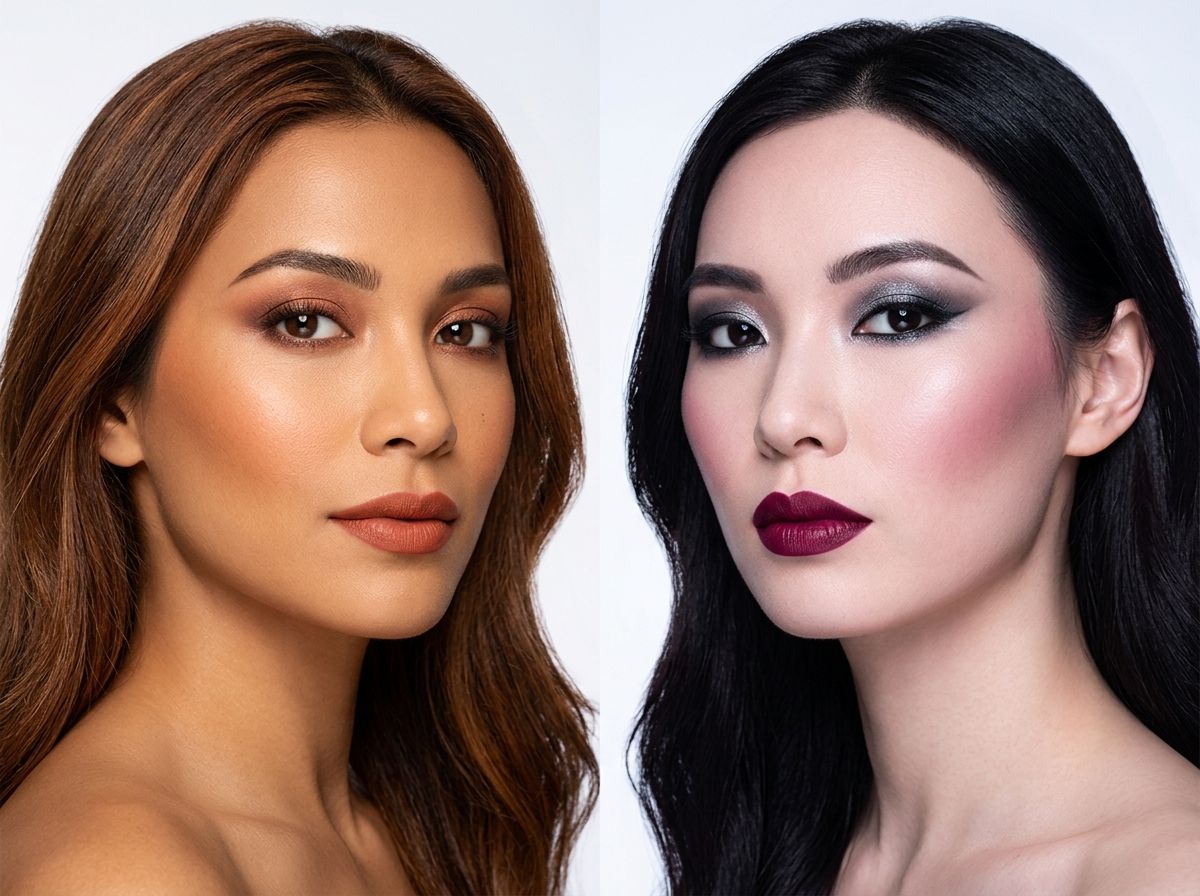
Autumn: warm, deep and earthy
Autumn has the richest, most earthy palette: skin with deep golden or bronze tones, expressive eyes and hair with warm highlights.
Lipstick: terracotta, rust, caramel nude, brick red, copper-brown
Blush: copper, bronze-peach, burnt orange
Eyeshadow: bronze, copper, chocolate brown, moss green, amber, antique gold
Foundation and concealer: golden-yellow to bronze undertone; avoid pink or cool beige
Highlighter: copper, antique gold, bronze
What to avoid: cool shades like baby pink, lavender, light gray and silver, which clash with the richness of the Autumn palette.
Summer: cool, light and soft
Summer has a pink or cool beige undertone, soft contrast and a delicate look. Makeup should follow the same rule: never too saturated.
Lipstick: dusty rose, mauve, soft berry, pinkish nude, light raspberry
Blush: pale pink, mauve, muted raspberry
Eyeshadow: lilac, lavender, slate blue, pinkish gray, dusty rose
Foundation and concealer: pink to neutral-cool undertone; avoid yellow or orange
Highlighter: silver, pearly pink, lilac
What to avoid: very warm shades like gold, orange, caramel brown and bright coral, which clash sharply with Summer's soft skin.
Winter: cool, deep and high-contrast
Winter is the season with the most contrast: cool undertone skin, intense eyes and dark or gray hair. Makeup has room to be bold.
Lipstick: true red, burgundy, plum, dark berry, fuchsia, cool nude
Blush: berry, raspberry, intense cool pink, hot pink
Eyeshadow: black, charcoal, navy, burgundy, deep purple, silver
Foundation and concealer: pink to blue undertone; avoid any yellow or bronze base
Highlighter: silver, pearly white, rose gold only if very cool
What to avoid: earthy tones, golds and any muted warm color, which neutralize the natural contrast that is Winter's signature.
The four key products to get right
1. Lipstick: the product that shows your color temperature most
Lipstick reveals a person's color temperature more than any other product. Try a simple test: hold a bright coral lipstick near your face. If your skin looks more luminous, you're warm. If it looks grayish, you're cool. The right lipstick always makes skin look healthier, not duller.
2. Blush: the product that brings your face back to life
Blush follows the same principle as lipstick. Peach and bronze shades are friends of the warm palettes (Spring and Autumn); mauve, raspberry and rose belong to the cool palettes (Summer and Winter). Avoid a blush with the opposite temperature of yours: the result usually looks artificial or forced.
3. Eyeshadow: where you can experiment most
Eyeshadow gives you more room to experiment, especially in neutrals (brown, gray, beige). What really changes is saturation and finish: Spring and Autumn look great in gold and copper finishes, while Summer and Winter shine in grays, silvers and cooler tones.
4. Foundation: the base of everything (literally)
Choosing foundation by texture and coverage matters, but ignoring undertone is a mistake no application technique can fix. Ask to test the shade along your jawline in natural light. The right color disappears into your skin. The wrong one leaves a visible line or makes your face a different tone from your neck.
How to find your season before buying makeup
If you don't know your color season yet, there are two paths: a consultation with an image consultant, or an AI analyzer like the one from TikTests. The free TikTests test uses a selfie to identify your temperature, contrast and depth, and delivers your season and color palette in a few minutes.
With that result in hand, you can walk into any store knowing exactly which color temperature to look for in each product, and stop impulse-buying makeup that doesn't work on your face.
Makeup for deep skin: color analysis applies too
A common misconception is that personal color analysis only matters for fair skin. It doesn't. Deep and dark skin tones also have an undertone, warm (golden, bronze, red-copper) or cool (blue-toned, neutral-cool), and respond to color temperature in makeup the same way. The wrong lipstick shade dulls you just as much, whatever your skin tone. The seasons system works for everyone.
Frequently asked questions
Can I wear colors outside my palette in a makeup look?
Yes. Personal color analysis is a reference, not a strict rule. The goal is to know what flatters you most. On special occasions, trying colors outside your palette can be creative, as long as it's intentional.
My foundation has the right undertone, but colored makeup still looks off. Why?
It may be a saturation issue. Summers, for example, look best in muted shades, even within the cool range. If a product is too saturated, the result can look overdone even when the temperature is right.
What matters more: temperature (warm/cool) or color saturation?
For lipstick and blush, temperature is the most critical factor. For eyeshadow and highlighter, saturation and finish (matte, shimmer, glitter) matter a lot. Get the temperature right first, then adjust the saturation.
Does my color season change if I dye my hair?
The season itself doesn't change, since it is determined by your skin undertone and eye color. But hair color affects your overall contrast and can make certain products look more or less flattering as a whole.
What is the best blush for deep skin with a warm undertone?
For deep skin with a warm undertone (Autumn or Spring), blushes in copper, burnt orange, rosy brown and rich peach tend to be the most flattering. Avoid shades that are too light, which can look chalky on the skin.
Use your color palette as a shopping guide
Discovering your personal color analysis changes your relationship with makeup: instead of buying on impulse and risking a miss, you walk into the store with a clear filter for what to look for. It saves money, reduces waste and, above all, makes sure every product in your makeup bag works in your favor.
Keep reading
June 18, 2026
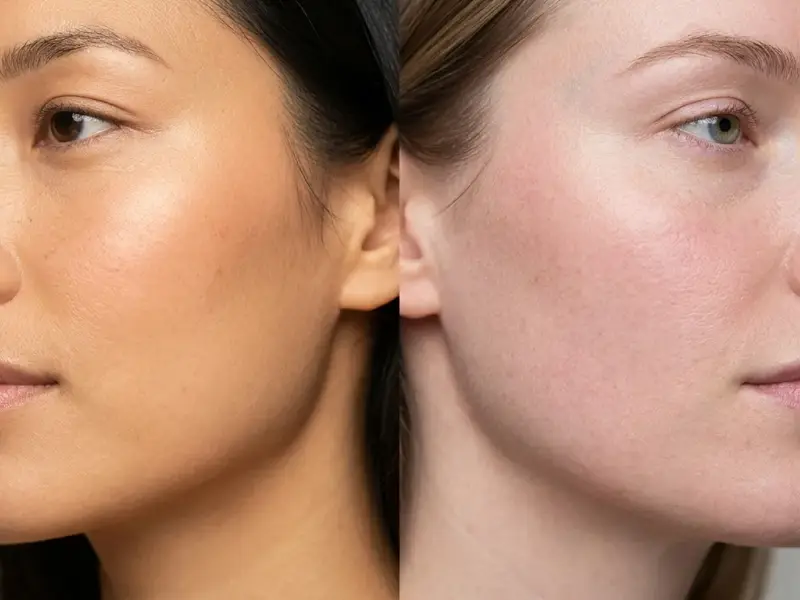
Skin undertone: warm, cool or neutral, and how to find yours
Learn how to find your skin undertone with simple at-home tests (wrist veins, gold vs. silver, white paper) and how it connects to your personal color season.
Read more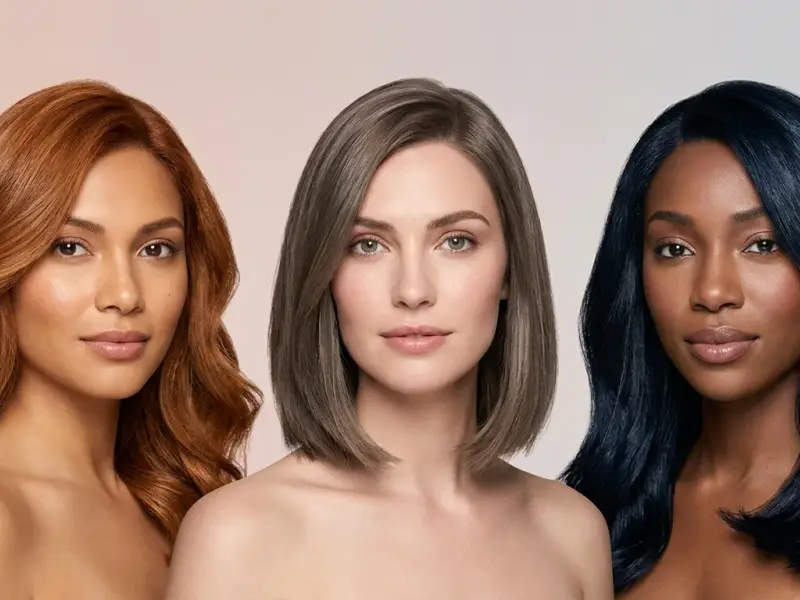
June 18, 2026
Best hair color: what really suits your personal color season
Find the best hair color for your personal color season. A season-by-season guide to blondes, browns, reds, highlights and balayage that flatter your undertone.
Read more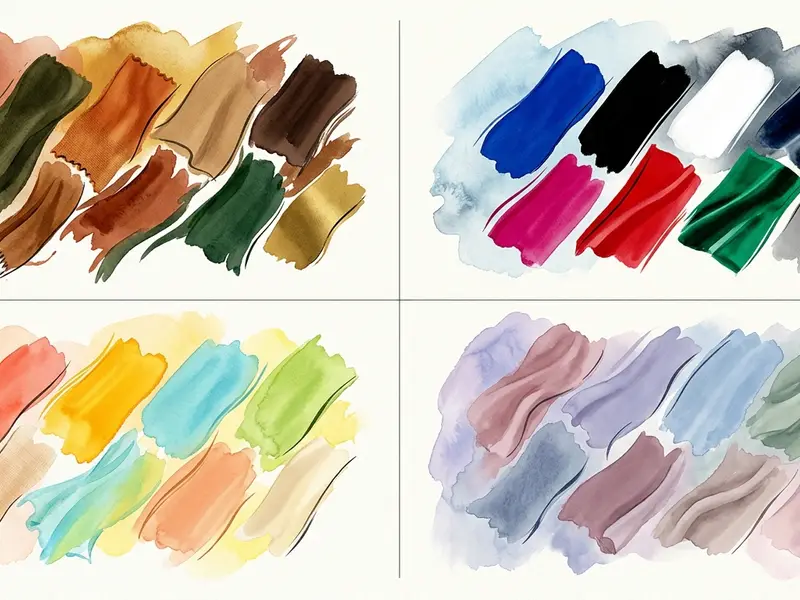
June 16, 2026
Personal color analysis types: Winter, Autumn, Spring or Summer, which are you?
Learn the 4 color seasons of personal color analysis, what defines each palette, how undertone and contrast work, and discover yours with a free AI color test.
Read more