Personal color Season
Winter Personal Color Analysis
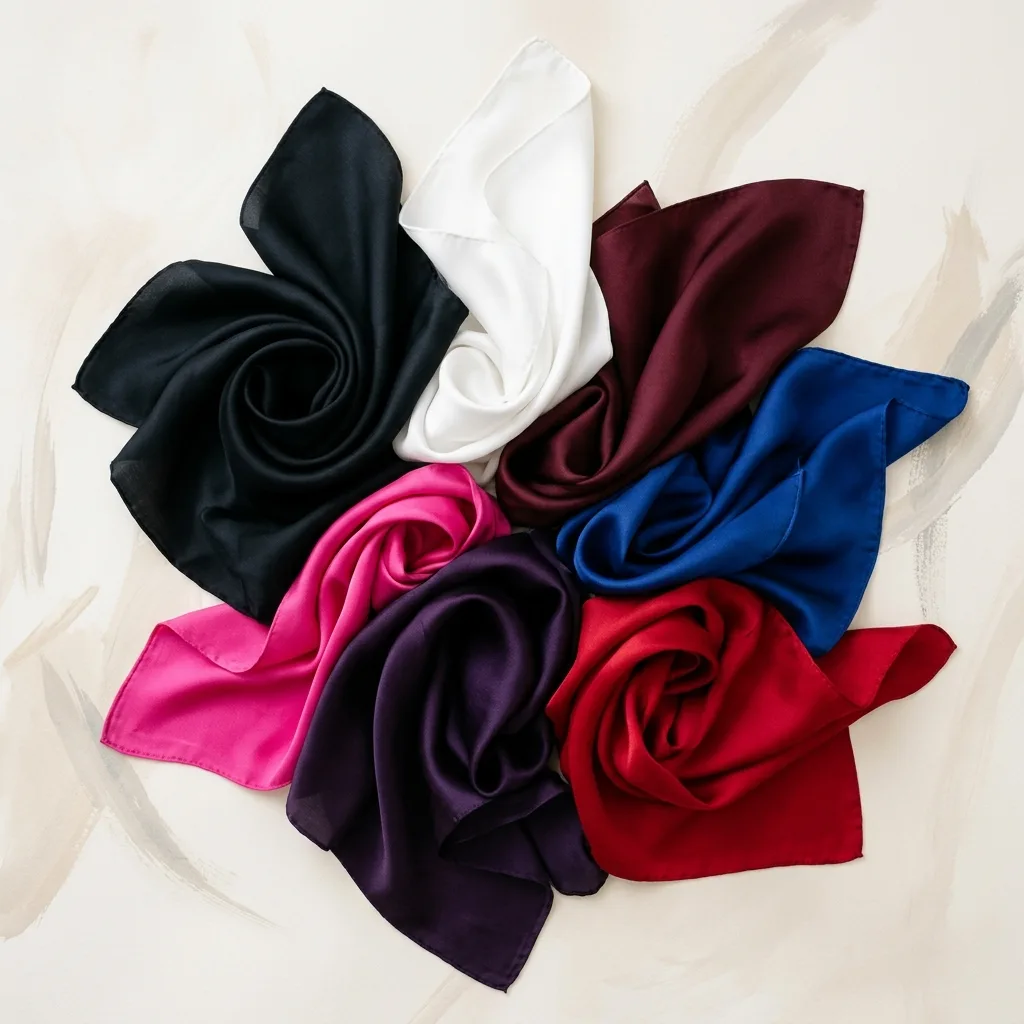
What the Winter season is
Winter is the cool, deep and high-contrast season — the one with the greatest natural contrast between skin, eyes and hair. Its palette brings together pure, intense colors, nothing muted or earthy.
A Winter person is the only one who carries extreme colors like black and snow white naturally. Bold contrast is the great differentiator and what flatters their appearance most.
If people compliment you every time you wear black, crisp white or a true red, there's a good chance you're a Winter. This season comes down to three traits working together: a cool undertone, noticeable depth and, above all, strong contrast between your skin, hair and eyes. A face drawn in such clear lines needs colors that are just as clear, strong enough to match your natural intensity without stealing the show.
In practice, Winter is the season of jewel tones: ruby, sapphire, emerald and amethyst. These are saturated, clean colors with none of Summer's grayish haze or Autumn's golden warmth. Winter is also the only season that can wear pure black and optic white right next to the face without looking heavy or washed out. On a Winter, they actually sharpen the features and even out the skin.
Winters come in every skin tone. There are fair-skinned Winters with very dark hair, cool olive Winters and many Black and deep-skinned people with a cool undertone. What they share isn't skin color but the way their skin responds to color: it glows in cool, intense shades and fades in warm, earthy ones.
How to know if Winter is your season
- Silver lights up your face, while yellow gold makes your skin look sallow or tired.
- There's visible contrast between your skin and your natural hair or brows.
- Your eyes are intense (very dark brown, black, deep blue or clear gray) and the whites of your eyes stand out.
- Black and pure white near your face make your features look sharper, not drained.
- Earthy shades like caramel, mustard and medium brown make your skin look dull or gray.
- Fuchsia, wine or cool red lipstick looks natural on you, while coral looks like a costume.
- Your natural hair is black, dark brown with no golden glints, or silvery gray.
Who it's for
Skin
Cool undertone: pink-beige, cool olive or very dark skin with a blue base.
Eyes
Intense: black, dark brown or deep blue.
Hair
Black, very dark brown or gray.
Winter color palette
How to wear Winter colors
A Winter wardrobe is built on neutrals with personality: black, pure white, charcoal, deep navy and burgundy. They replace the beige, camel and brown that fill most store windows and act as a canvas for your accent colors. A black coat, charcoal tailored trousers and a few crisp white shirts already cover most of the week.
When putting outfits together, choose contrast over soft tone-on-tone. White with navy, black with hot pink, charcoal with emerald and navy with cool red are classic Winter pairings. Strong blocks of color, like a royal blue dress or a purple blazer, work better than small, faded prints. If you love prints, go for crisp, graphic designs: black and white stripes, polka dots, geometrics or florals with clear colors on a dark background.
At work, Winter projects authority with little effort: navy, gray and black with a white shirt or a jewel-toned sweater. In the evening, it's the season that benefits most from shine and rich textures, such as satin, velvet, silver sequins and black leather. If you want one hero piece, pick a dress or blazer in a cool, slightly blue-based red. It goes with every neutral in the palette and gets attention in the right way.
Winter makeup
Winter makeup can be bolder than average because the face itself already carries color. On the lips, the winners are blue-based shades: cool red, fuchsia, raspberry, wine and plum. For everyday wear, a cool rosy nude or a berry lip stain is the quieter version. For blush, cool pink, raspberry and berry applied with a light hand give a natural flush, while peach and terracotta turn orange on cool skin.
For the eyes, graphite, gray, black, navy, plum and silver work better than golden browns, and a sharp black liner is practically the season's signature. Choose a foundation with a pink or neutral-cool undertone and test it on your jawline in natural light, since very yellow or bronzy formulas create a visible mask. A silver or pearl highlighter finishes the look.
Best hair colors for Winter
The best Winter hair keeps a cool base and preserves contrast. Black, blue-black, cool dark brown and espresso are safe choices, and fair-skinned Winters can also go pure platinum with no yellow undertone. If you want color, cool reds like cherry and burgundy work well. Skip caramel, honey, copper and golden highlights: they make the skin look yellow and dilute the very contrast that flatters this season. Natural silver gray also tends to look elegant on Winters, so it's worth considering before you cover it up.
Winter accessories and metals
Silver, white gold, platinum, steel and rhodium are this season's metals, ideally in a polished, high-shine finish. Statement jewelry, like large hoops, chain-link necklaces and geometric earrings, stays in proportion with the contrast of the face. For stones, choose pure colors: sapphire, ruby, emerald, amethyst, clear crystal and white pearls. For glasses, black, charcoal, navy, wine or clear acetate frames work well, while golden tortoiseshell and yellow metal warm the face too much.
Colors that flatter
Pure, intense tones: black, snow white, burgundy, royal blue, shocking pink, deep purple and pure red. Bold contrast is your friend.
Colors to avoid
Warm, muted tones like beige, caramel, mid-brown and earthy shades, which neutralize the natural contrast.
Why these colors don't flatter Winter coloring
The colors that hold a Winter back most are the ones that are both warm and muted: beige, caramel, camel, mustard, burnt orange, medium brown, olive green and terracotta. They fail for two reasons. Their yellow base clashes with the cool undertone and casts a sallow or grayish tint on the skin. And their low saturation flattens your natural contrast, so the face looks tired and undefined, as if the clothes were more alive than the person wearing them. If you love one of these colors, wear it away from your face (shoes, bags, trousers) and keep a cool neutral from your palette near your neck.
Winter or Summer?
Winter and Summer are the two cool seasons, which is why they're the ones most often confused. The temperature is the same: both call for silver, cool pinks, blues and purples. What sets them apart is intensity. Summer lives in the midtones, with soft, slightly grayed colors and low to medium contrast, like slate blue, mauve and dusty rose. Winter lives at the extremes, with saturated, pure, high-contrast colors like royal blue, shocking pink and black.
The black test is the most revealing. On a Summer, black near the face hardens the features, deepens under-eye shadows and seems to sit heavily on the skin. On a Winter, the same black sculpts the face and makes the eyes pop. The reverse holds too: Summer's dusty shades leave a Winter looking washed out and low-energy, like a photo that's slightly out of focus. If both groups seem to work, look at your eyes. A striking, sparkling gaze points to Winter, while a soft, misty one points to Summer.
Read the full Summer guideThe Winter sub-seasons
Within Winter there are more precise variations for those on the border with neighboring seasons. Get to know each one:
How to tell which Winter sub-season you are
Within Winter, the question is which trait speaks loudest in you. If it's temperature (a clearly pink or blue-based undertone, gold that never works, blue, gray or cool brown eyes), you're probably a Cool Winter, the iciest version of the family and a neighbor of Cool Summer. If it's depth (very dark hair and eyes, medium to deep skin, a strong presence that disappears in light colors), look at Dark Winter, which borders Dark Autumn. If it's clarity (bright, sparkling eyes or an almost graphic contrast between skin, hair and eyes), the answer leans toward Bright Winter, right next door to Bright Spring.
A practical way to confirm it is to hold three groups of fabric near your face, makeup-free, in daylight. Royal blue and icy pink stand for Cool Winter; wine, forest green and eggplant for Dark Winter; shocking pink, cobalt and lemon yellow for Bright Winter. The group that evens out your skin and lights up your eyes, without the color walking into the room before you do, points to your sub-season. Still unsure? The TikTests AI analysis reads temperature, depth and contrast from a single selfie and gives you the palette for your exact sub-season.
Winter: frequently asked questions
Can a Winter wear beige?
Classic beige, the yellowish or caramel kind, isn't the best choice near your face: it flattens your contrast and leaves the skin looking dull. If you need a light neutral, swap it for pure white, a slightly grayed off-white or light gray. Beige trousers or shoes, away from the face, have little impact. The key is keeping the top half of your outfit in your cool palette.
What is the best hair color for a Winter?
Cool, intense shades: black, blue-black, very dark brown with no golden glints and, for fair skin, pure platinum. If you want color, cool reds like cherry, burgundy and plum work well. Avoid caramel, honey, copper and golden highlights.
Can Winters wear gold jewelry?
Silver is always the safest choice, since bright yellow gold tends to make cool skin look sallow. There are exceptions within the family: Dark Winter and Bright Winter can wear a light, shiny gold as a detail, as long as the rest of the look stays cool.
Can you be a Winter with dark skin?
Yes. Many Black and deep-skinned people have a cool undertone, with a bluish or cool red base, and beautiful contrast between the skin, the eyes and the whites of the eyes and teeth. They often glow in jewel tones, pure white and silver, all classic Winter traits, frequently landing in the Dark Winter or Bright Winter sub-season.
What lipstick colors suit a Winter?
Blue-based shades: cool red, fuchsia, raspberry, wine, plum and dark berry. For everyday, a cool rosy nude. Steer clear of corals, oranges and caramel nudes, which make teeth look yellower and leave the lips without definition.
Keep reading
June 16, 2026
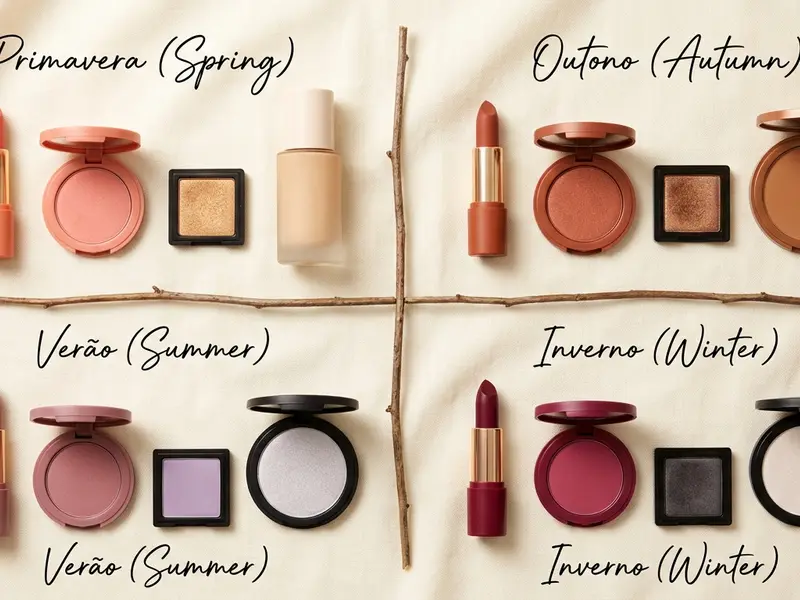
Makeup and personal color analysis: how to choose the shades that flatter you most
Learn how to use your color season to pick lipstick, eyeshadow, blush and foundation more accurately. A complete guide for Spring, Summer, Autumn and Winter.
Read more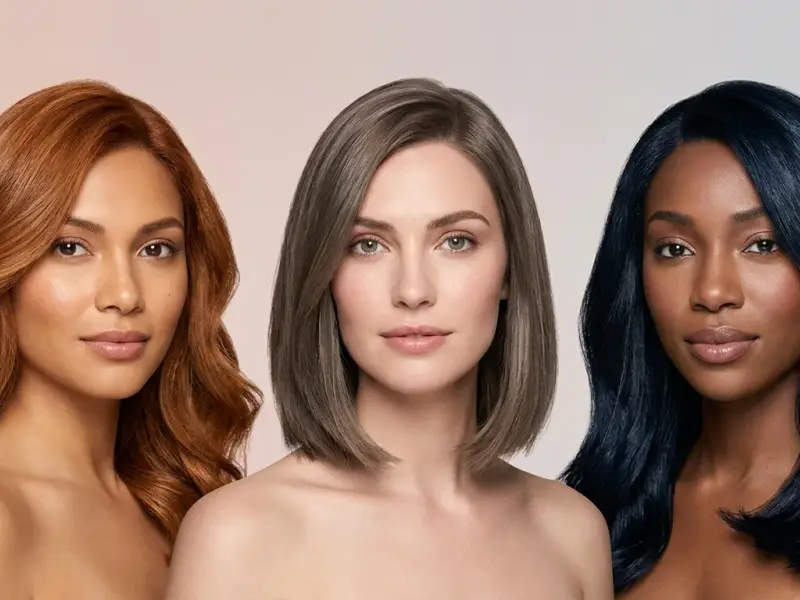
June 18, 2026
Best hair color: what really suits your personal color season
Find the best hair color for your personal color season. A season-by-season guide to blondes, browns, reds, highlights and balayage that flatter your undertone.
Read more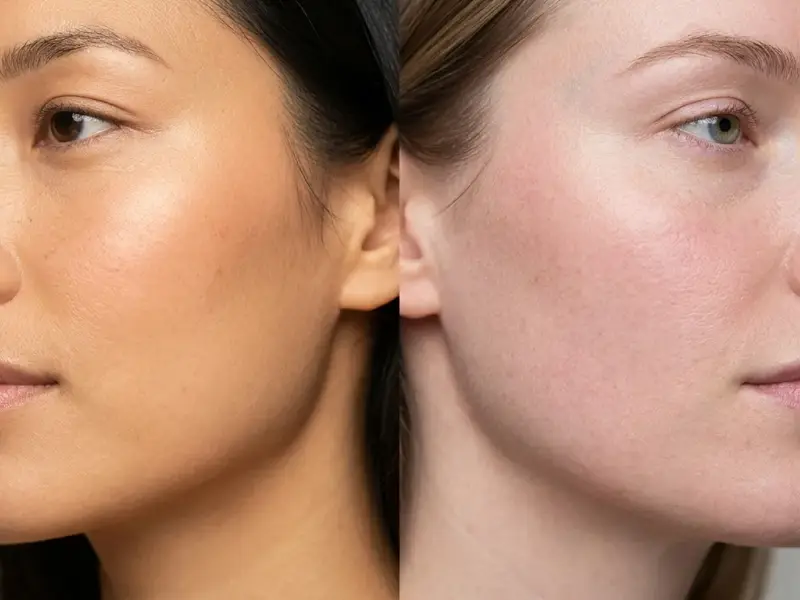
June 18, 2026
Skin undertone: warm, cool or neutral, and how to find yours
Learn how to find your skin undertone with simple at-home tests (wrist veins, gold vs. silver, white paper) and how it connects to your personal color season.
Read moreCould you be a Winter?
Discover your personal color season in under 2 minutes with our AI analyzer. Free and no sign-up.