Personal color Sub-season
Dark Winter Personal Color Analysis
What the Dark Winter season is
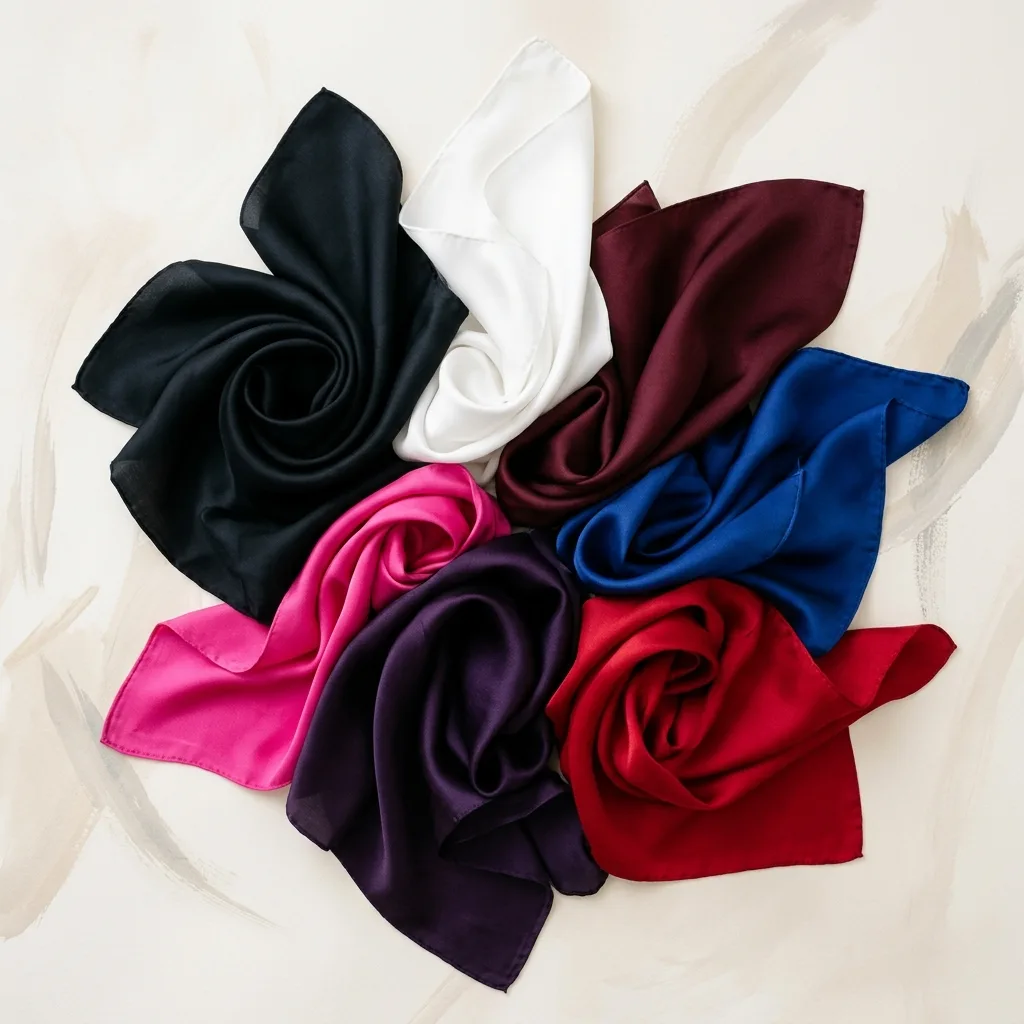
Dark Winter is the deepest variation of Winter, on the border with Autumn. It's the sub-season of the darkest, most intense colors in all of personal color analysis.
It's the palette for those with a deep, cool appearance, flattered by solid, dark tones like black, burgundy and deep purple, with striking contrast.
Dark Winter is the sub-season where depth speaks loudest. The temperature is still cool, but what defines the palette is the weight of its colors: dark, dense, intense shades that match very dark hair and eyes and a commanding presence. It's a beauty that recalls a starry night sky: deep, mysterious and unforgettable.
Sitting on the border with Dark Autumn, Dark Winter is the least icy member of the family. Its colors still have a cool base but allow a touch of neutrality: wine gets deeper, green moves toward pine and petrol, and purple sinks into eggplant. The stars are dark jewel tones (petrol blue, sapphire, indigo, wine and raspberry), backed by graphite and slate grays and lit up by touches of turquoise, bright pink and lemon yellow.
This sub-season is common among medium, olive, brown and deep skin tones with a cool undertone, and also among fair-skinned people with near-black hair and very dark eyes. In every case the effect is the same: light, washed-out colors don't have the strength to keep up with the face, while dark, rich shades put everything in its place.
How to know if Dark Winter is your season
- Your natural hair is black or very dark brown, and your brows are strong.
- Your eyes are very dark brown or nearly black, with little difference between iris and pupil.
- Pastels like baby pink, light peach and mint make your face look pale and drained.
- Wine, forest green, petrol blue and eggplant look made for you.
- Silver looks great, but a light, subtle gold doesn't fight your skin either.
- Mustard, rust and terracotta make your skin look sallow or gray, even though they're dark colors.
- An all-black outfit never overpowers your face, even in daylight.
Who it's for
Skin
Medium to very dark, cool undertone.
Eyes
Very dark brown or black.
Hair
Black or very dark brown.
Dark Winter color palette
Core colors
Neutrals for your wardrobe base
How to wear Dark Winter colors
A Dark Winter wardrobe starts with the richest neutrals in personal color analysis: black, deep navy, burgundy and charcoal. They convey the luxury and power that define this sub-season and easily replace brown and khaki. A black or navy overcoat, graphite tailored trousers and a burgundy knit make a foundation that lasts for years.
Your accent colors are dark jewels: petrol blue, pine green, sapphire, indigo, wine, raspberry and eggplant. A reliable trick for uninspired days is a single-color dress in forest green or deep wine, one piece that completes the look with zero matching effort. To add light, bring in the brightest colors of the palette, like turquoise, bubblegum pink or lemon yellow, in tops, scarves or accessories, always next to a dark neutral.
Dark Winter loves contrast but wants dark to make up most of the outfit. Deep monochrome looks, like navy with petrol or wine with eggplant, feel sophisticated, and velvet, leather, heavy wool and weighty satin bring out the depth of the colors. For prints, pick dark backgrounds with crisp designs, such as wine and emerald florals on black or animal print in black and graphite. Light, ditsy prints on beige or pastel backgrounds lose all their strength next to your face.
Dark Winter makeup
In makeup, depth is the key. The lipsticks that flatter a Dark Winter most are wine, blackberry, black cherry, raspberry and intense, deep reds; for everyday, a medium cool pink or a sheer berry is the lighter option. Your ideal blush is deep and cool (blackberry, light wine, cool burnt rose) and works more to sculpt the cheekbones than to add color.
For eyes, eggplant, deep navy, forest green and graphite shadows create a powerful smoky look, while charcoal or antique silver adds a point of light at night. Black liner and black mascara are essential, since Dark Winter eyes can carry bold lines. For foundation, look for a neutral-cool to pink undertone at the right depth: shades that are too light make the skin look gray, and very golden ones turn it orange.
Lipstick shades
Blush shades
Eyeshadow shades
Best hair colors for Dark Winter
Dark Winter's natural frame is dark and intense, and the best move is usually to respect it. Dark brown, bittersweet chocolate, cool espresso and black create the depth this sub-season calls for. To brighten things up, the best bet is subtle ash medium brown highlights or a touch of dark wine, which looks beautiful in the sun without warming the face. Avoid golden blondes, honey, caramel and copper, and skip heavy lightening too: it breaks the contrast and leaves the face without a frame.
Hair shades that harmonize
Dark Winter accessories and metals
Silver-toned metals are the most harmonious choice: silver, white gold, brushed steel and aged finishes like oxidized silver or gunmetal, which echo the depth of the palette. Thanks to this sub-season's intensity, a light gold can also appear as a point of light, in an earring or a watch, but silver is still the safest bet. Dark, color-rich stones (garnet, amethyst, sapphire, emerald and onyx) stay in proportion with the face. For glasses, black, wine, navy or graphite acetate frames work well.
Metal and accessory tones
Colors that flatter
The deepest, coolest Winter colors: black, burgundy, deep purple, intense navy and pure red.
Colors to avoid
Warm, muted tones like beige, caramel, mid-brown and earthy shades, which neutralize the natural contrast.
Why these colors don't flatter Dark Winter coloring
Dark Winter has two groups of colors to avoid, and each fails for a different reason. The first is warm, earthy shades: mustard, burnt amber, sienna, tile red, terracotta and rusty olive. They have the right depth but the wrong temperature, so their orange base makes cool skin look sallow and turns the palette's mystery into fatigue. The second is very light, washed-out pastels like baby pink, light peach and mint green, which lack the weight to carry your coloring and leave the face pale. If you love a pastel, use it as a detail in a print on a navy or wine background.
Dark Winter or Dark Autumn?
Dark Winter and Dark Autumn are the two deepest sub-seasons in personal color analysis, and they share a lot: high contrast, an intense look, dark hair and eyes and trouble with colors that are too light. Both look stunning in wine, deep green, petrol and eggplant. The difference is temperature. Dark Autumn is warm: chocolate, rust, mustard, moss green, terracotta and antique gold. Dark Winter is cool: black, navy, blue-based wine, graphite and silver.
The clearest tests are black against chocolate brown and silver against antique gold. On a Dark Winter, black defines the face and chocolate leaves the skin dull; on a Dark Autumn, chocolate warms the face and black looks harsh and grayish. Reds work the same way: Dark Winter wants cherry red and wine, while Dark Autumn prefers brick red. Even the colors each one avoids mirror each other. Dark Winter steers clear of mustard, sienna and rusty olive, which happen to be key colors for its neighbor.
Read the full Dark Autumn guideDark Winter: frequently asked questions
Can Dark Winters wear light colors?
Pure white works, because it contrasts with your dark shades, and so do the bright light colors in your palette, like lemon yellow and bubblegum pink, in strategic spots. What doesn't work is washed-out pastels like baby pink, peach and mint near the face. Pair light pieces with a dark neutral to keep the balance.
What hair color is best for a Dark Winter?
Black, dark brown, bittersweet chocolate and cool espresso. To brighten, try subtle ash medium brown highlights or dark wine glints. Avoid blondes, honey, caramel and copper, which break your contrast.
Can Dark Winters wear gold?
In moderation. Silver is the safest choice, but your palette allows a light gold as a point of light, for example in earrings or a watch. Avoid wearing lots of bright yellow gold and copper near your face.
Can a Dark Winter wear brown?
Warm browns like caramel, milk chocolate and rust aren't recommended. A very dark, cool brown that's almost black can work for shoes, bags and trousers, but black, navy, graphite and burgundy will always flatter you more.
What lipstick colors suit a Dark Winter?
Deep, cool shades: wine, blackberry, black cherry, raspberry and deep reds. For everyday, a sheer berry or a medium cool pink. Steer clear of corals, oranges and caramel nudes.
Keep reading
June 16, 2026
Personal color analysis types: Winter, Autumn, Spring or Summer, which are you?
Learn the 4 color seasons of personal color analysis, what defines each palette, how undertone and contrast work, and discover yours with a free AI color test.
Read more
June 16, 2026
Makeup and personal color analysis: how to choose the shades that flatter you most
Learn how to use your color season to pick lipstick, eyeshadow, blush and foundation more accurately. A complete guide for Spring, Summer, Autumn and Winter.
Read more
June 18, 2026
Best hair color: what really suits your personal color season
Find the best hair color for your personal color season. A season-by-season guide to blondes, browns, reds, highlights and balayage that flatter your undertone.
Read moreCould you be a Dark Winter?
Discover your personal color season in under 2 minutes with our AI analyzer. Free and no sign-up.