TikTests News
Personal color analysis types: Winter, Autumn, Spring or Summer, which are you?
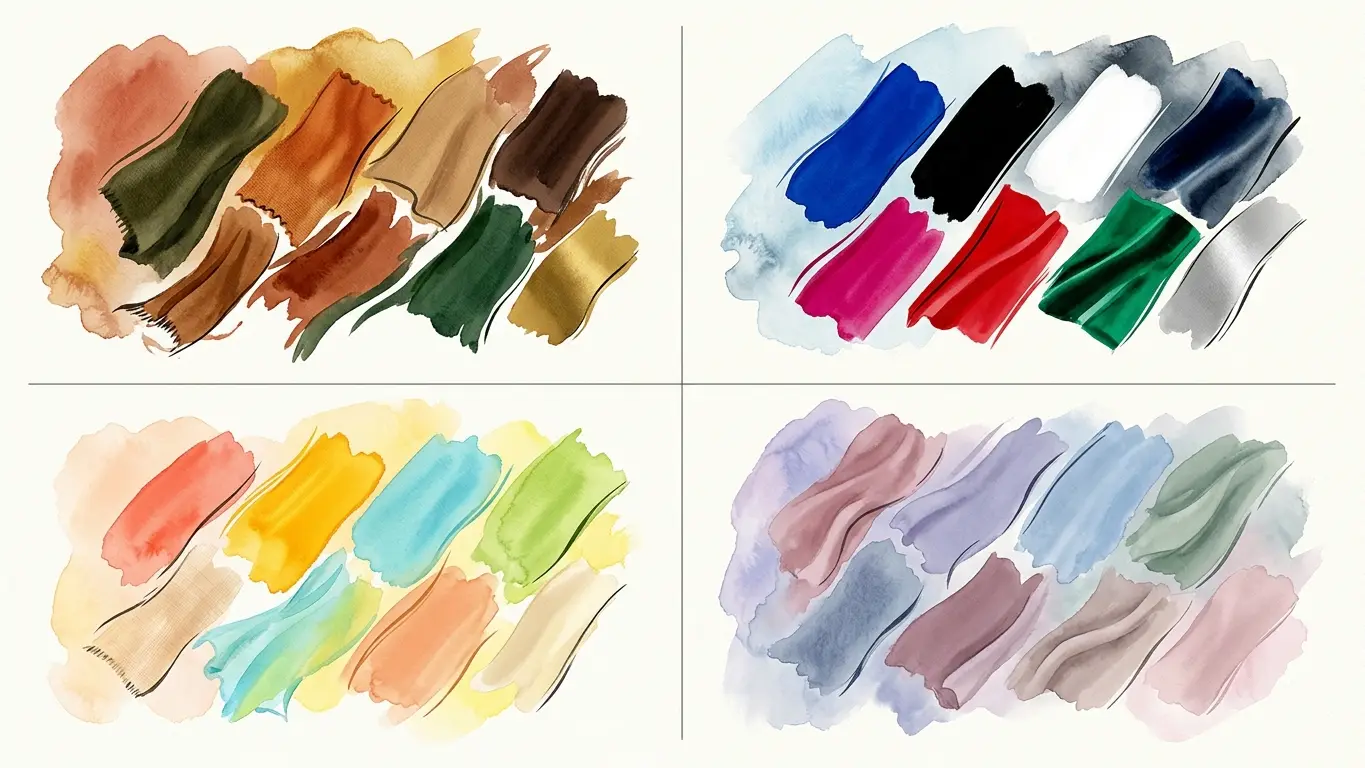
When it comes to personal color analysis, one of the first questions is: "so which type am I?" The most widely used system for answering it is the seasonal color system: Spring, Autumn, Summer and Winter. Each season groups people with similar skin tone, eye and hair characteristics, and defines the color palette that suits them best. Knowing your season is the quickest shortcut to dressing, doing your makeup and even coloring your hair with far better results.
How the seasonal color system works
The logic behind the seasons is simple: everyone has a color temperature (warm or cool), a contrast level (high, medium or low) and a depth (a lighter or darker palette). Combining these three variables gives us the four seasons, each tied to a group of colors in nature that follows the same pattern.
- Warm: Spring and Autumn
- Cool: Summer and Winter
Within each group, what changes is whether the palette is lighter and brighter (Spring) or deeper and earthier (Autumn), softer and muted (Summer) or more intense and high-contrast (Winter).
Spring: warm, light and bright
A Spring has skin with a warm, golden undertone, light eyes (golden brown, green, blue or amber) and hair that leans blonde, red or brown with warm highlights. The contrast between skin, eyes and hair is usually low to medium.
Colors that flatter: warm, fresh shades such as coral, peach, golden beige, light turquoise, lime green and butter yellow. Gold looks great as an accessory.
Colors to avoid: cool, heavy tones like pure black, charcoal gray, dark burgundy and deep navy, which dull the skin's natural glow.
Autumn: warm, deep and earthy
Autumn shares the warm undertone of Spring, but the palette is richer, more intense and earthier. Skin is golden or bronze, eyes are brown, olive green or amber, and hair ranges from medium brown to deep red, or black with warm highlights.
Colors that flatter: terracotta, rust, mustard, caramel, moss green, burnt orange, chocolate and brown. Copper and bronze shine as accessories.
Colors to avoid: cool, washed-out pastels such as baby pink, lilac, light gray and pure white, which can make you look drained.
Summer: cool, light and soft
Summer is the cool season with the softest palette. Skin has a pink or cool beige undertone, eyes are gray, blue, gray-green or cool light brown, and hair runs from ash blonde to medium brown without warm tones.
Colors that flatter: cool, muted shades such as dusty rose, lavender, slate blue, lilac gray, mauve, icy white and sage green. Silver is the ideal metal.
Colors to avoid: very warm, saturated tones like orange, golden yellow, lime green and caramel brown, which clash with the skin and highlight imperfections.
Winter: cool, deep and high-contrast
Winter is the season with the highest contrast: skin with a cool undertone (rosy beige, cool olive, or very deep skin with a blue base), intense eyes (black, dark brown or deep blue) and black, very dark brown or gray hair. That natural contrast is its defining feature.
Colors that flatter: pure, intense shades such as black, snow white, burgundy, royal blue, hot pink, deep purple and true red. Bold contrast is a Winter's friend.
Colors to avoid: warm, muted tones like beige, caramel, medium brown and any earthy color, which flatten the natural contrast and can make you look washed out.
How to find your season
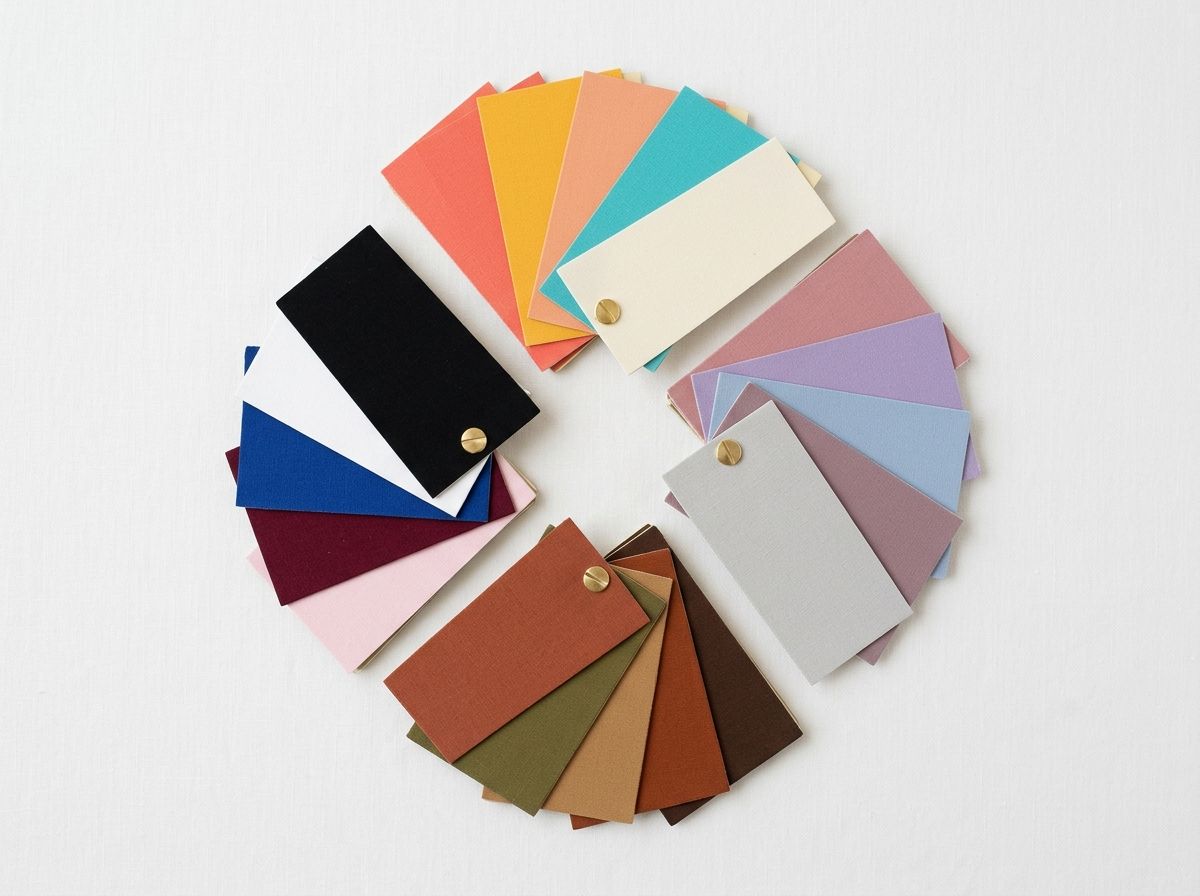
Finding your season means looking at three factors together: skin undertone, eye color and natural hair color. A good way to start is to see which metal flatters your skin more. If gold looks better, you're warm (Spring or Autumn); if silver suits you more, you're cool (Summer or Winter). Then assess the contrast between your skin, eyes and hair to decide whether you fall into the lighter or deeper group within your temperature.
An image consultant can do this analysis very precisely, but you can also get a good indication from the TikTests AI analyzer, which matches a selfie against these three parameters automatically, for free and in a few minutes.
Sub-seasons: going beyond the four palettes
The four-season system is an excellent starting point, but not everyone fits neatly into a single season. That's why many modern methods use 12 sub-seasons, variations such as Deep Autumn, Bright Winter or Soft Summer, which describe more precise palettes for people on the border between two seasons.
With TikTests, your result includes not only your main season but also depth and contrast guidance, so you get a more complete picture of what works for you.
Frequently asked questions
Can I be more than one season at once?
Not exactly, but it's common to have traits that sit between two neighboring seasons, for example between Autumn and Spring (both warm) or between Summer and Winter (both cool). In those cases, your sub-season is probably where the two overlap.
Does my season change over time or with hair dye?
The season itself doesn't change, because it is determined by your skin undertone and eye color, which are fixed. What can change is the result of a photo-based analysis, since artificial hair color can interfere with the reading. For more accurate results, we recommend using your natural hair color or roots.
Do I need to know my season to use the Virtual Wardrobe?
The Virtual Wardrobe works best when connected to your personal color analysis, because that's what defines which pieces in your closet match your palette. If you haven't done the analysis yet, start there.
Does the TikTests result show my sub-season too?
Yes. Besides your main season, the result includes temperature, depth and contrast, which help you understand more precisely which variation of your season you belong to.
Find your season now
Knowing whether you're a Spring, Autumn, Summer or Winter changes how you choose clothes, makeup and accessories. It's information you'll use every morning, for life. And with TikTests, finding it out takes under two minutes.
Keep reading
June 18, 2026
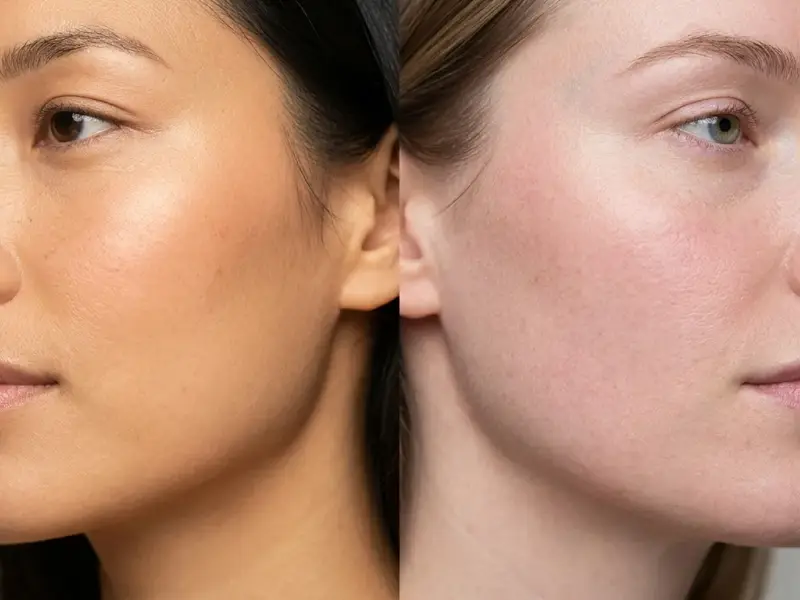
Skin undertone: warm, cool or neutral, and how to find yours
Learn how to find your skin undertone with simple at-home tests (wrist veins, gold vs. silver, white paper) and how it connects to your personal color season.
Read more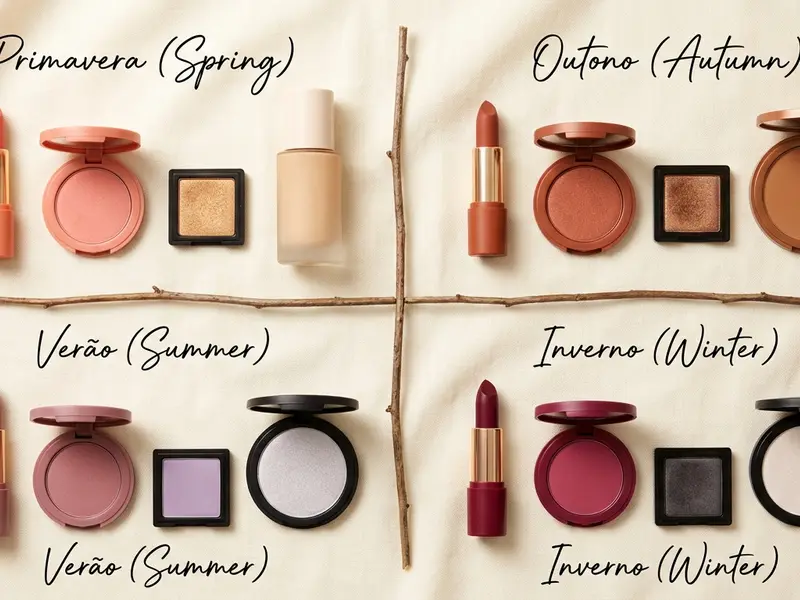
June 16, 2026
Makeup and personal color analysis: how to choose the shades that flatter you most
Learn how to use your color season to pick lipstick, eyeshadow, blush and foundation more accurately. A complete guide for Spring, Summer, Autumn and Winter.
Read more
June 18, 2026
Best hair color: what really suits your personal color season
Find the best hair color for your personal color season. A season-by-season guide to blondes, browns, reds, highlights and balayage that flatter your undertone.
Read more