TikTests News
Skin undertone: warm, cool or neutral, and how to find yours
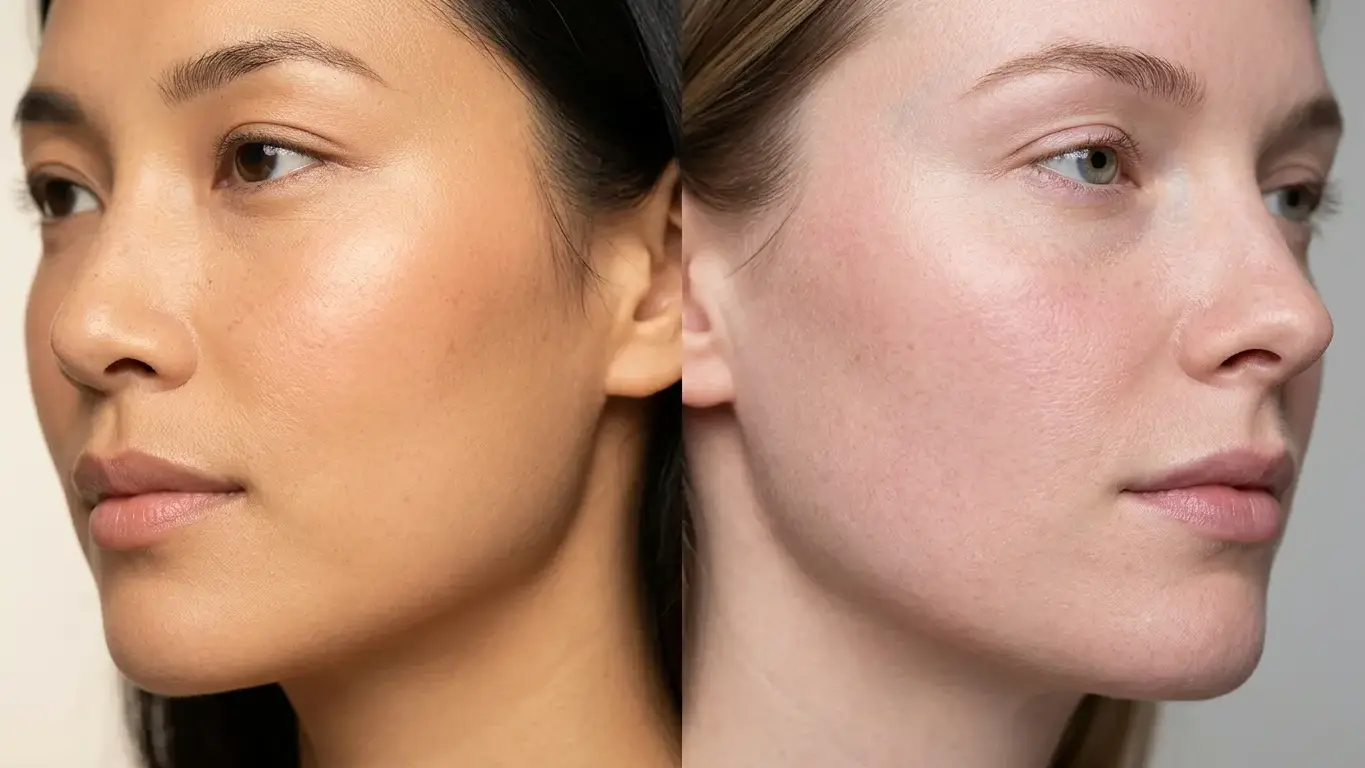
Have you ever noticed that two people with the "same skin color" can look great in completely different colors? One glows in gold, the other looks sick; swap gold for silver and the effect flips. The secret behind it has a name: undertone. Skin tone is the color you see on the surface (fair, medium, tan, deep), while undertone is the temperature running beneath it, and it's what decides which colors flatter you. Finding yours is the first step to getting clothes, makeup, hair and accessories right.
Undertone is not the same as skin tone
This is the most common mix-up, so let's separate them for good:
- Skin tone (or surface tone): how light or deep your skin is. It changes with sun exposure, the time of year and over your lifetime. It can be fair, light, medium, tan, deep or dark.
- Undertone: the "background" hue beneath the surface. It's stable and doesn't change when you tan. It decides whether you're warm, cool or neutral.
So two people can have the same skin tone (both "light tan") and opposite undertones, one leaning golden, the other rosy. That's why the foundation that looks perfect on your friend can leave you looking yellow or gray: the coverage is right, but the undertone is wrong.
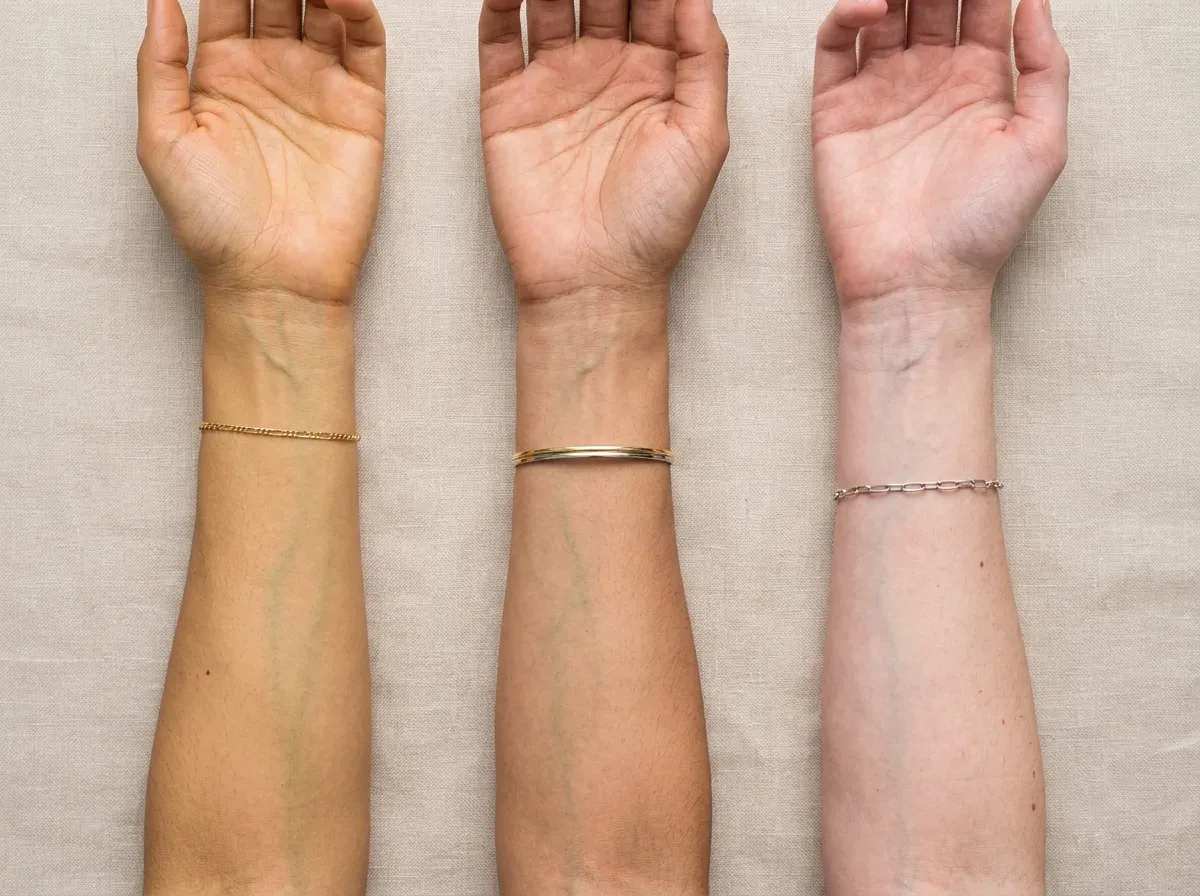
Why undertone matters so much
Undertone is the foundation of personal color analysis. When you wear colors that match the temperature of your skin, something almost magical happens: your face looks more rested, dark circles fade, your skin glows and even imperfections become less noticeable. Colors with the wrong temperature do the opposite. They dull your glow, highlight blemishes and make you look tired.
Knowing your undertone helps you confidently choose:
- The right foundation and concealer (yellow, pink or neutral undertone)
- Lipstick, blush and eyeshadow that brighten instead of wash out
- The metal of your jewelry: gold for warm, silver for cool
- Clothing colors that earn you compliments you can't quite explain
The 3 (or 4) types of undertone
Warm undertone
Skin has a golden, yellow, peach or bronze base. People with a warm undertone usually tan easily and rarely turn red in the sun. Gold brings out the skin, and earthy tones (mustard, terracotta, moss green) look great.
Cool undertone
Skin has a pink, blue or slightly purple base. It tends to burn before it tans and turns red in the sun. Silver is the most flattering metal, and colors like cool pink, blue, plum and gray make the face glow.
Neutral undertone
A balanced mix of warm and cool, neither too golden nor too rosy. Neutral people are lucky: they move easily between gold and silver and can wear a wider range of colors. The catch is that at-home tests often give ambiguous results.
Olive undertone
Olive is a category of its own and is often misread. It's an undertone with a greenish or grayish base layered over warm or cool. Olive-skinned people often feel that "no foundation matches," because most foundations don't account for that green component. Olive can lean warm or cool, but it needs extra attention.
How to find your undertone at home
No single test is definitive. The best approach is to do several and see which way most of them point. Always do them in natural light, near a window, with clean skin and no makeup.
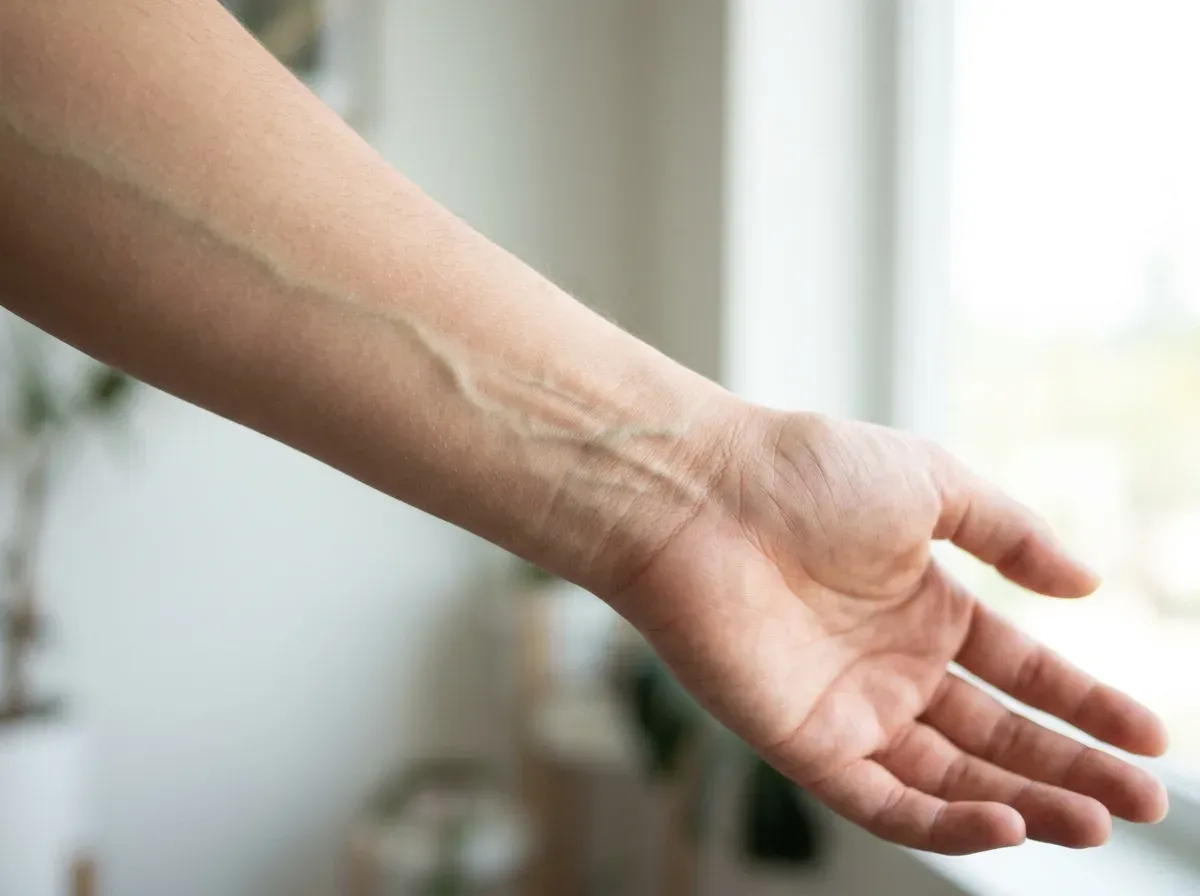
1. The wrist vein test
Look at the veins on the inside of your wrist in natural light:
- Greenish veins → warm undertone
- Bluish or purplish veins → cool undertone
- Hard to tell / a mix of both → neutral undertone
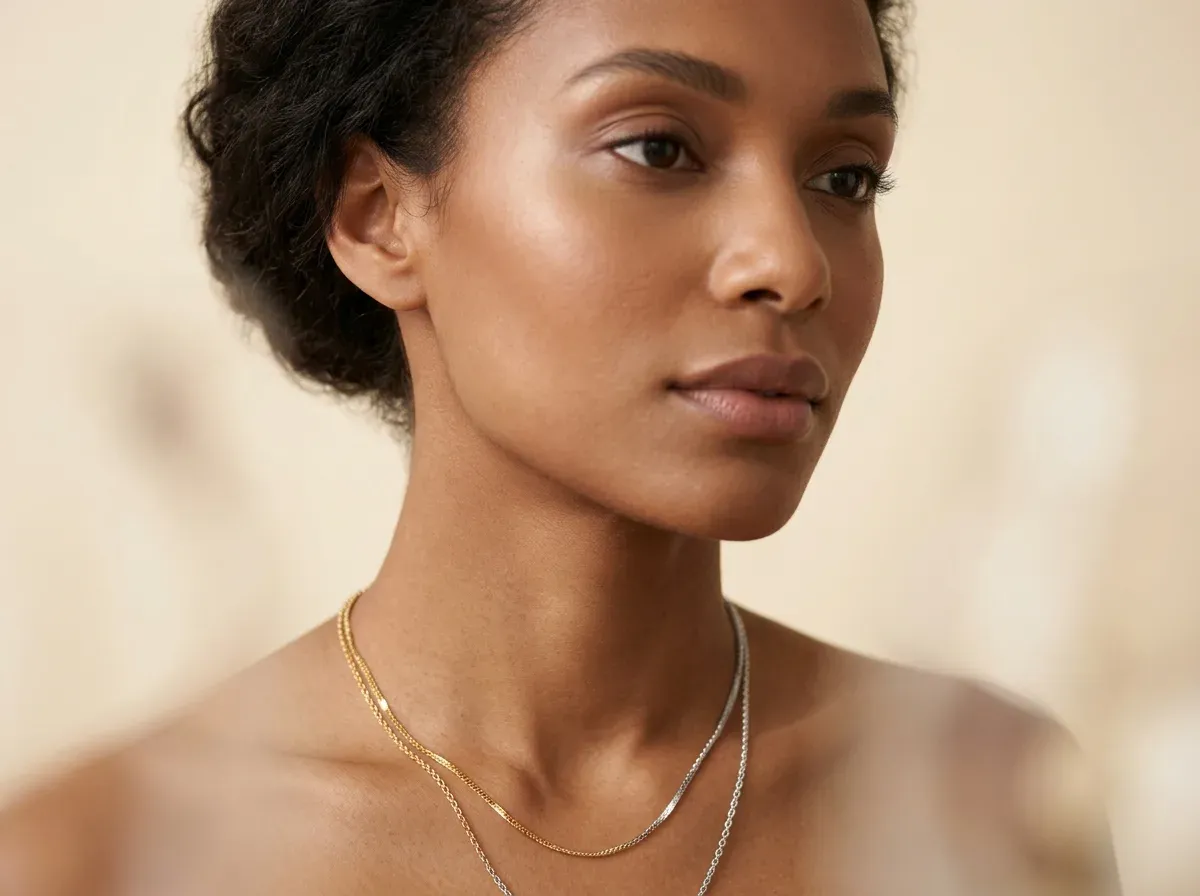
2. The gold vs. silver test
Hold a gold piece of jewelry (or paper) against one side of your face and a silver one against the other, in natural light:
- Gold brightens more → warm undertone
- Silver brightens more → cool undertone
- Both flatter equally → neutral undertone
3. The white paper test
Hold a sheet of pure white paper up to your face and see how your skin looks against it:
- Skin looks yellow or peachy → warm
- Skin looks pink or bluish → cool
- Skin looks gray or greenish → possibly olive
4. How your skin reacts to the sun
- Tans easily, almost never burns → leans warm
- Burns first, turns red, struggles to tan → leans cool
5. The coral vs. pink lipstick test
Hold a warm coral lipstick near your face, then a cool pink (fuchsia or plum):
- Coral brightens and pink dulls → warm
- Cool pink brightens and coral turns you "yellow" → cool
- Both work → neutral
How undertone connects to the 4 seasons
Undertone is the first piece of the personal color puzzle. Combined with depth (light or deep) and contrast, it leads to one of the four seasons:
- Warm undertone → Spring (light and bright) or Autumn (deep and earthy)
- Cool undertone → Summer (soft and muted) or Winter (intense and high-contrast)
Neutral undertones can show up at the borders between neighboring seasons, so they usually need a more careful analysis to decide whether they lean slightly warm or cool. Knowing your undertone already cuts your options from four seasons to two, which is halfway there. For the full breakdown, see our guide to the 4 seasons of personal color, and to see how it plays out in your hair, read hair color for your season.
Common mistakes when finding your undertone
- Confusing tone with undertone: having fair skin doesn't mean a cool undertone. There is fair warm skin and deep cool skin.
- Testing under artificial light: yellow bulbs and white LEDs completely distort the reading. Use natural light.
- Looking at tanned skin: a tan changes your surface tone, not your undertone, but it muddles the tests. Check less sun-exposed areas.
- Trusting a single test: veins can mislead. Cross-check at least three tests.
- Ignoring olive undertone: many olive people label themselves "cool" and never understand why foundations look off.
How the TikTests AI test identifies your undertone
At-home tests are great for a first impression, but they depend on light, perception and a bit of luck, especially if you're neutral or olive. The TikTests AI analyzer solves this by reading the real pixels of your skin from a single selfie: it extracts the average temperature of your face, compares it with your eyes and hair, and calculates your undertone objectively, without the bias of ambient lighting or personal perception.
In a few minutes, and for free, you get not just your undertone (warm, cool or neutral) but also your personal color season and the color palette that flatters you most.
Frequently asked questions
Can my undertone change over time?
No. Undertone is stable throughout your life. What changes is your surface tone, which darkens in the sun and lightens in winter. That's why a tan never turns a cool undertone into a warm one.
Do Black and deep skin tones have an undertone too?
Yes, and the concept applies equally. Deep skin can have a warm undertone (golden, bronze, coppery) or a cool one (bluish, cool-neutral). Undertone matters just as much for choosing foundation and colors on deep skin as on fair skin.
I'm neutral. Is that good or bad?
It's an advantage. Neutral people can wear both gold and silver and move across a wider range of colors. The only "difficulty" is that at-home tests often give ambiguous results, and in those cases an AI analysis can help confirm.
What's the most reliable at-home test?
None on its own. The vein test is the best known but can mislead. Gold vs. silver and the white paper test tend to be more revealing. Ideally, do three or more and see which way most point.
Is olive undertone the same as neutral?
No. Olive has its own greenish or grayish component and can lean warm or cool. Mistaking olive for neutral is one of the most common reasons foundation never looks right.
Find your undertone in under two minutes
Knowing whether you're warm, cool or neutral changes how you buy foundation, choose lipstick and build your wardrobe, for good. Instead of guessing in front of the mirror, let the TikTests AI read your skin precisely from a selfie and give you your undertone and your ideal color palette.
Keep reading
June 16, 2026
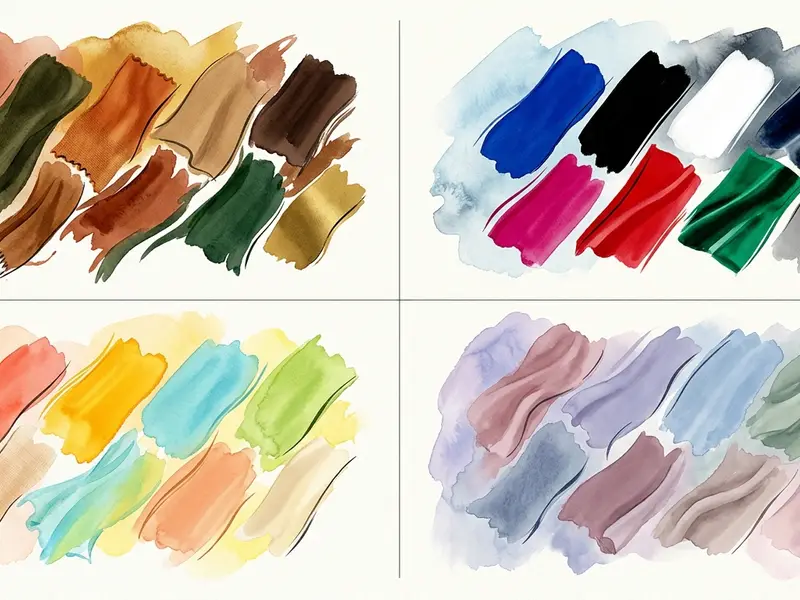
Personal color analysis types: Winter, Autumn, Spring or Summer, which are you?
Learn the 4 color seasons of personal color analysis, what defines each palette, how undertone and contrast work, and discover yours with a free AI color test.
Read more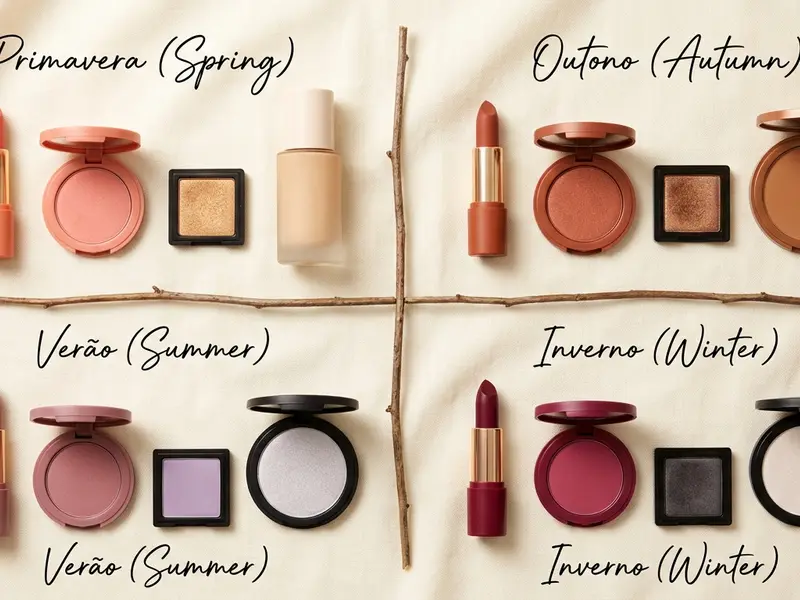
June 16, 2026
Makeup and personal color analysis: how to choose the shades that flatter you most
Learn how to use your color season to pick lipstick, eyeshadow, blush and foundation more accurately. A complete guide for Spring, Summer, Autumn and Winter.
Read more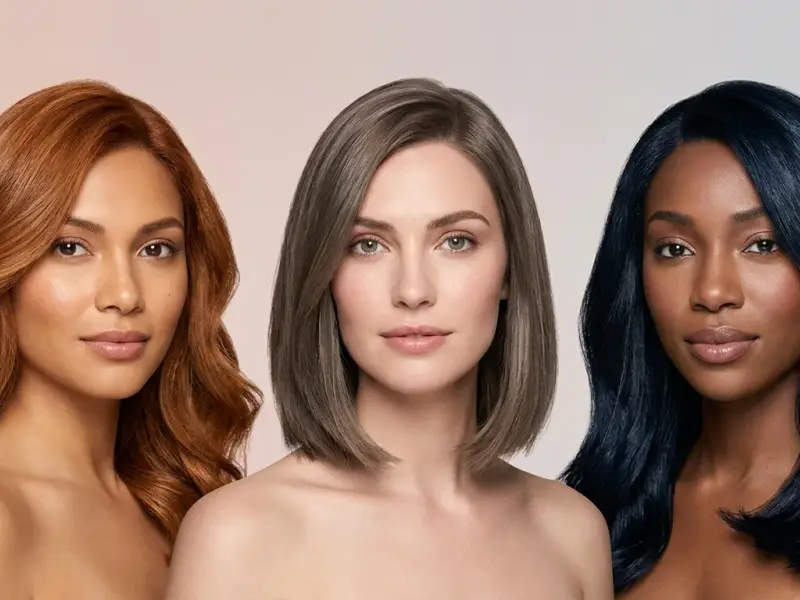
June 18, 2026
Best hair color: what really suits your personal color season
Find the best hair color for your personal color season. A season-by-season guide to blondes, browns, reds, highlights and balayage that flatter your undertone.
Read more