Personal color Season
Summer Personal Color Analysis
What the Summer season is
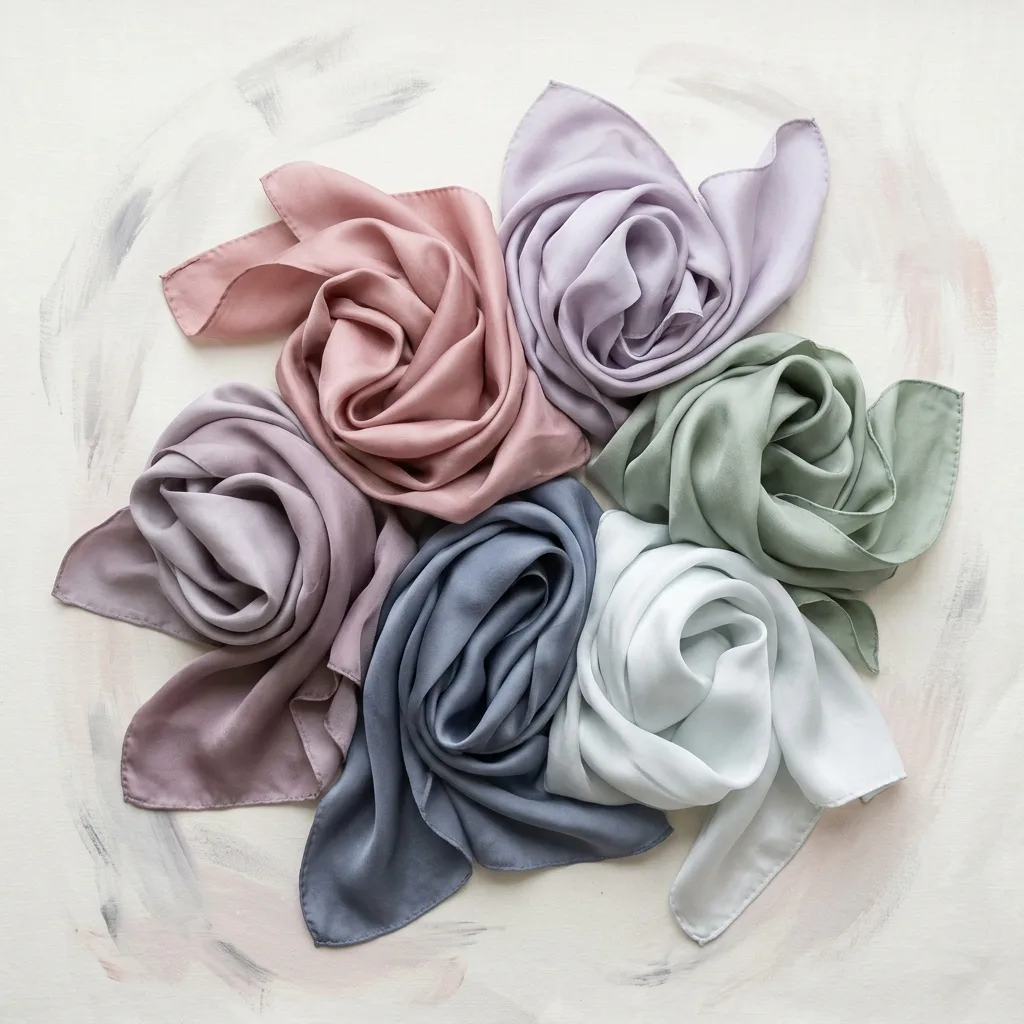
Summer is the cool season with the softest palette. Its colors are muted and delicate, as if seen through a light mist: nothing loud, but a quiet elegance.
A Summer person has a cool undertone and is flattered by soft, grayed tones that match the lightness of their appearance. Very warm or saturated colors tend to compete with the skin instead of flattering it.
If black makes you look tired but a blue-gray sweater or a dusty rose top instantly brightens your face, there's a good chance you're a Summer. In personal color analysis, Summer groups people with a cool undertone whose coloring works like a watercolor: skin, eyes and hair blend into one another without hard edges. That blended quality is exactly what your clothes and makeup should echo: fresh, slightly grayed and never loud.
The name comes from the light of a summer day in a temperate climate: bright, but filtered through a pale haze that makes everything look softer and a little bluer. So the palette isn't made of baby pastels, as many people assume. It's made of colors with a veil of gray, from lavender to slate blue and from mauve to sage green. Some are very light, others reach medium depth, but they all share the same cool base and the same softness.
How to know if Summer is your season
- Your natural hair is ash blonde, light brown or medium brown, with no strong golden or red highlights.
- In the sun, your skin turns pink or red before it tans instead of going golden right away.
- Your eyes are blue, gray, gray-green or a soft brown, and look more smoky than crystal-clear.
- Silver, white gold and rose gold make your skin look more even than bright yellow gold.
- Orange, mustard and caramel make you look sallow, while dusty rose and blue-gray light you up.
- The contrast between your hair, skin and eyes is low to medium: nothing jumps out at first glance.
Who it's for
Skin
Pink or cool-beige undertone.
Eyes
Gray, blue, grayish-green or cool light brown.
Hair
From ashy blond to mid-brown, without warm highlights.
Summer color palette
How to wear Summer colors
A Summer wardrobe is built on cool, soft neutrals: charcoal, heather gray, soft navy, blue-gray, grayish taupe and icy white. They beat black and golden beige, the default neutrals in most stores. A charcoal blazer, navy trousers and an off-white shirt make a work outfit that already looks made for you.
When you combine colors, go for low-contrast harmonies: tone-on-tone (lavender with a grayed purple) or neighbors on the color wheel, like slate blue with sage or dusty rose with mauve. Maximum-contrast pairings such as black and white or royal blue with yellow pull attention away from your face. For prints, choose watercolor florals, fine stripes in close tones and low-contrast plaids, and skip graphic prints in pure colors.
For evening, swap the little black dress for navy, grayed plum or dusty rose in satin, silk or fine knits, which reflect light softly. Mid-wash or gray-toned denim beats very dark washes. And if you want to wear a color outside your palette, keep it away from your face: in pants, a skirt or shoes, it loses its power over your complexion.
Summer makeup
The Summer makeup rule is the same as for clothing: cool and not too saturated. Foundation should have a pink or neutral-cool base, since very yellow or orange formulas leave a visible line at the jaw. On the lips, the winners are dusty rose, cool rosewood, mauve, soft raspberry and pinky nudes, while orange, coral and terracotta lipsticks clash. For blush, cool pink and mauve, well blended, give the most natural flush.
For eyes, gray, taupe, mauve, lavender, blue-gray and soft plum eyeshadows define without weighing you down. Graphite, gray-brown or navy eyeliner looks more harmonious than jet black, and pearl or pink highlighters replace gold ones. If you love a statement lip, pick a cool berry and keep the rest of the face light.
Best hair colors for Summer
The best hair colors for Summer are cool with moderate contrast: ash blonde, pearl blonde, cool beige blonde, ash light brown (the popular mushroom brown) and smoky medium brown. Fine ash-beige highlights add light without stripes. What usually goes wrong is golden, honey, caramel and copper tones, which make cool skin look sallow, and intense black, which hardens the features. If your natural brown turns reddish in the sun, a toning gloss or purple shampoo helps keep the base cool.
Summer accessories and metals
Cool metals are Summer's natural allies: silver, white gold, platinum and steel, ideally brushed or matte, with a softer shine than mirror polish. Rose gold also works thanks to its mix of pink and pale gold. Pearls and stones like aquamarine, light amethyst and rose quartz echo the palette. For glasses, gray, navy, soft burgundy or silver metal frames look more polished than thick black or golden tortoiseshell.
Colors that flatter
Cool, muted tones: antique rose, lavender, slate blue, lilac gray, mauve, ice white and sage green. Silver is the ideal metal.
Colors to avoid
Very warm, saturated tones like orange, gold-yellow, lime green and caramel brown, which create harsh contrast with the skin.
Why these colors don't flatter Summer coloring
The colors that hurt Summer most are warm and saturated: orange, golden yellow, lime green, caramel brown and mustard. The problem is twofold. Temperature: the yellow base of these colors reflects onto cool skin and makes it look sallow or gray. Intensity: very pure colors grab more attention than your face, which looks tired by comparison. Black and optic white near the face land on the same list because of excessive contrast. If you love one of these shades, wear it in bags or shoes.
Summer or Winter?
Summer and Winter are the two cool seasons, so they're easy to mix up: both look better in silver, bluish pinks and blues, and both struggle with orange and gold. The first difference is intensity, or chroma. Winter needs pure, saturated colors like fuchsia, royal blue and cherry red, while Summer wears the same families with a veil of gray: soft raspberry instead of fuchsia, slate blue instead of royal, mauve instead of vivid purple. The second is contrast. Winter usually pairs dark hair with clear skin and striking eyes, while Summer's features melt into one another.
The most telling test is black and white. In daylight and without makeup, hold a black top under your chin, then a charcoal one. If black makes your face look sharper and your skin cleaner, you lean Winter. If it seems to swallow your face while charcoal (or a soft navy) looks more harmonious, you're most likely a Summer. White works the same way: Winter shines in optic white, while Summer looks best in icy white and off-white.
Read the full Winter guideThe Summer sub-seasons
Within Summer there are more precise variations for those on the border with neighboring seasons. Get to know each one:
How to tell which Summer sub-season you are
Summer splits into three sub-seasons. Light Summer is the lightest, bordering Light Spring: naturally blonde or very light brown hair, light eyes, low contrast and cool pastels like baby pink, ice blue and aquamarine. Cool Summer is the coolest, bordering Cool Winter: medium depth and contrast, with raspberry, lavender, jade and charcoal. Soft Summer is the most muted, bordering Soft Autumn: very low contrast and dusty colors like dusty rose, dusty blue and eucalyptus green.
To find yours, ask what dominates your look. Lightness (everything pale, almost translucent) points to Light Summer; coolness (an obvious pink undertone, nothing warm about you) to Cool Summer; softness (you can't tell whether you're warm or cool, and your eyes mix several colors) to Soft Summer. A lipstick test helps too: compare a light pink, a medium raspberry and a grayed mauve. The one that makes your face look rested without stealing attention from your eyes hints at your sub-season, and the TikTests AI analysis cross-checks all of this from a single selfie.
Summer: frequently asked questions
What colors look best on a Summer?
Cool, soft colors: dusty rose, lavender, slate blue, lilac gray, mauve, sage green, soft raspberry, soft navy and icy white. Light Summer leans pastel, Cool Summer leans bluer and Soft Summer leans dustier.
Can Summers wear black?
Yes, but away from the face, because black creates harsher contrast than Summer features call for. For your basics, charcoal, navy or deep plum are better choices.
What's the best hair color for a Summer?
Cool shades with moderate contrast: ash blonde, pearl blonde, cool beige, ash light brown and smoky medium brown. Avoid gold, honey, caramel and copper, which make cool skin look sallow, and jet black, which hardens the features.
Can a Summer wear gold jewelry?
Bright yellow gold usually clashes with a cool undertone, so silver, white gold and rose gold are the safest choices. Light Summer and Soft Summer can wear a pale, matte gold in delicate pieces; Cool Summer looks best in cool metals only.
Can you be a Summer with medium or deep skin?
Yes. Your season depends on undertone and contrast, not on how light or dark your skin is. Medium or deep skin with a pink or neutral-cool undertone, brown hair without red tones and soft brown eyes often falls into Soft Summer or Cool Summer. The free TikTests analysis checks these factors from a selfie.
Keep reading
June 16, 2026
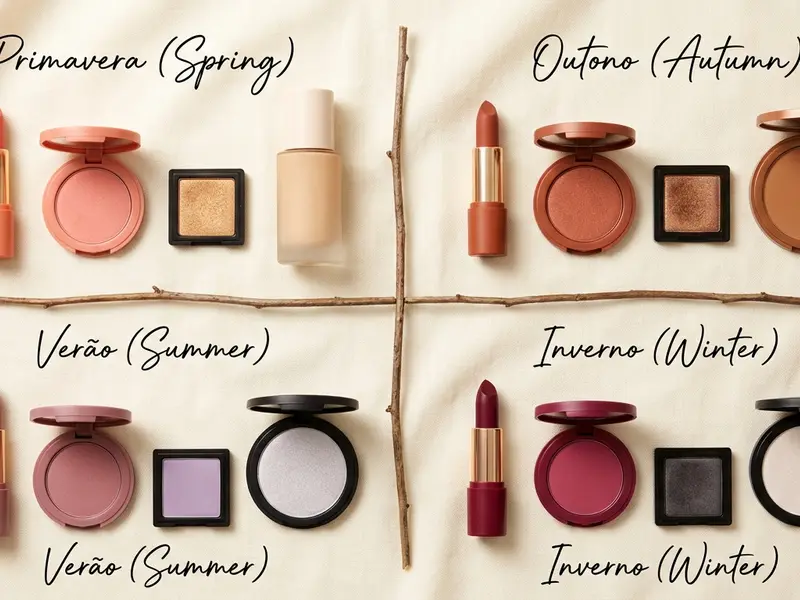
Makeup and personal color analysis: how to choose the shades that flatter you most
Learn how to use your color season to pick lipstick, eyeshadow, blush and foundation more accurately. A complete guide for Spring, Summer, Autumn and Winter.
Read more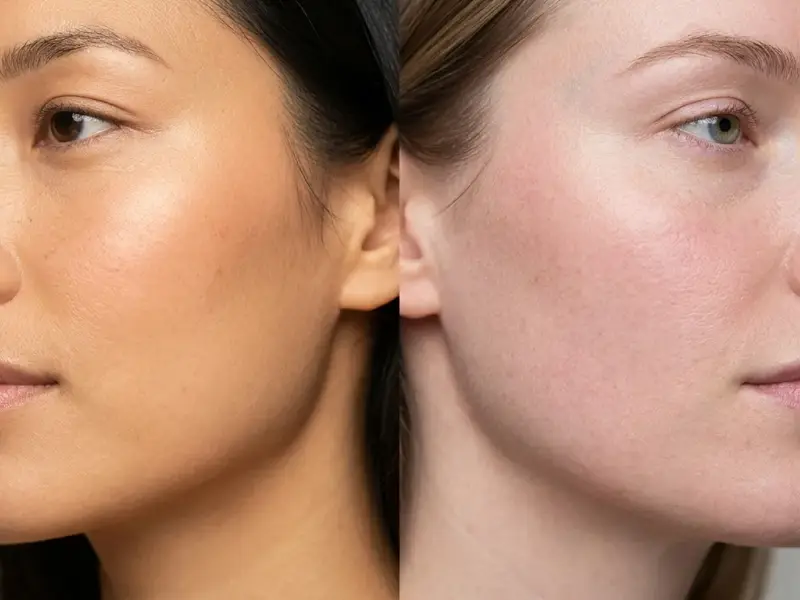
June 18, 2026
Skin undertone: warm, cool or neutral, and how to find yours
Learn how to find your skin undertone with simple at-home tests (wrist veins, gold vs. silver, white paper) and how it connects to your personal color season.
Read more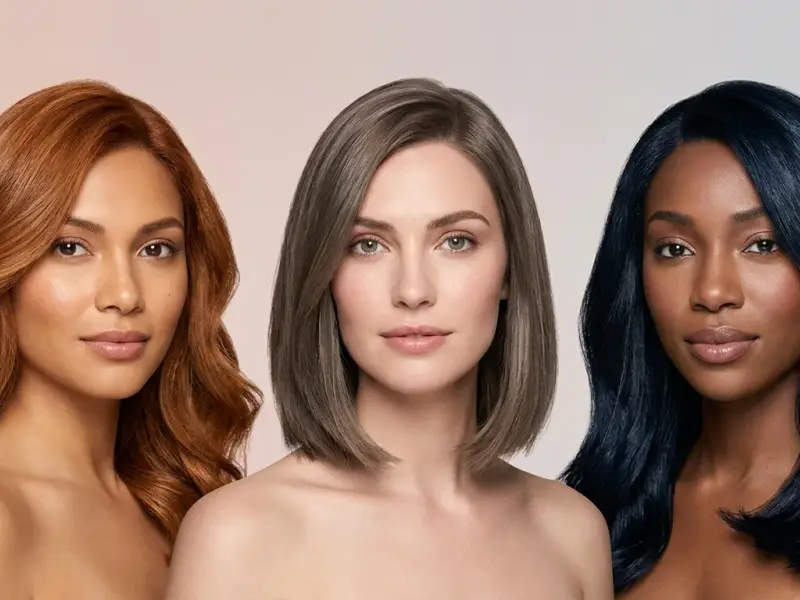
June 18, 2026
Best hair color: what really suits your personal color season
Find the best hair color for your personal color season. A season-by-season guide to blondes, browns, reds, highlights and balayage that flatter your undertone.
Read moreCould you be a Summer?
Discover your personal color season in under 2 minutes with our AI analyzer. Free and no sign-up.